Alpine Wind Corridors Drive Tactical Shifts Among Swiss Basketball Squads and Tennis Players in High-Elevation Events
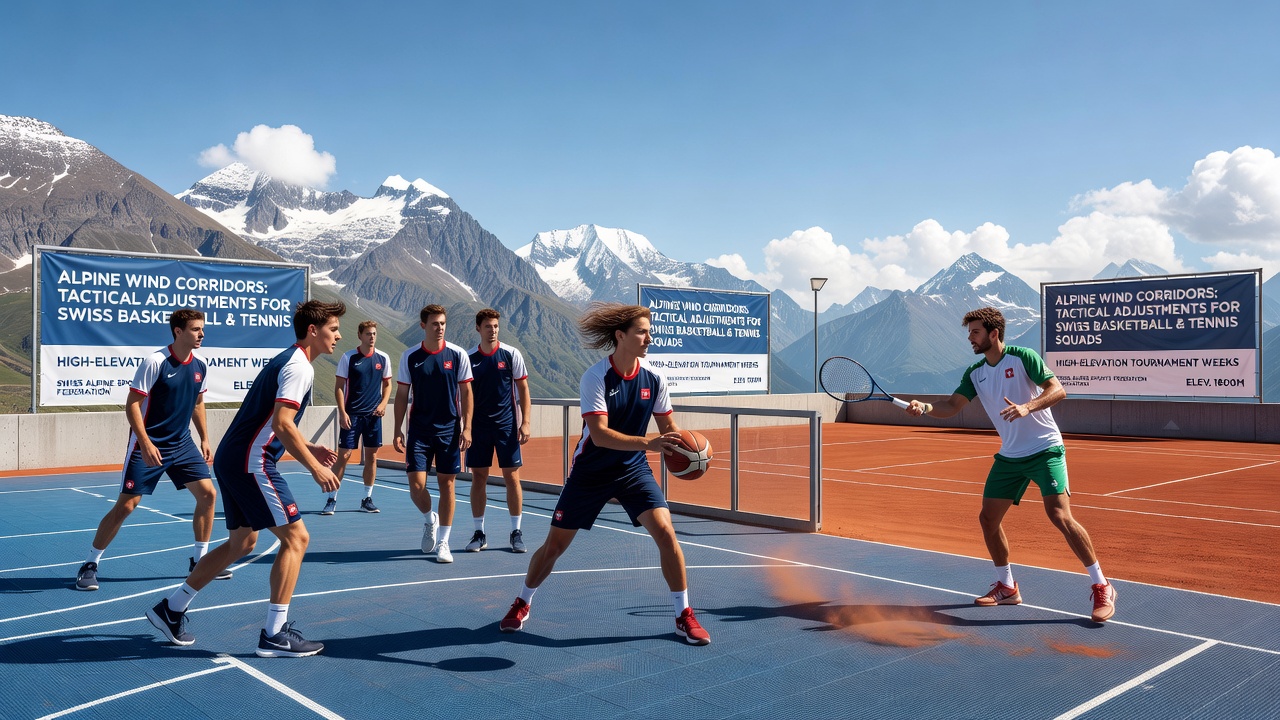
Alpine wind corridors form consistent channels through mountain passes and valleys across Switzerland where steady airflow accelerates due to terrain compression and elevation changes. Data from meteorological monitoring stations operated by the Swiss Federal Office of Sport shows these corridors generate gusts that frequently exceed 25 kilometers per hour at tournament sites above 1,500 meters. Swiss basketball squads and tennis players prepare for these conditions during high-elevation weeks by modifying positioning, shot selection, and recovery intervals based on real-time wind readings.
Wind Corridor Patterns in Swiss Tournament Locations
Researchers at the University of Zurich documented how specific corridors such as those near the Gotthard and Simplon passes create predictable wind flows that affect outdoor and semi-outdoor facilities used for summer competitions. Basketball courts positioned near valley entrances experience cross-court gusts that alter ball trajectories during perimeter shooting while tennis venues in adjacent highland basins encounter headwinds that shorten serve distances. Figures from 2024 through 2025 indicate these patterns intensify during July when temperature gradients between valley floors and peaks widen. Squads scheduled for events in July 2026 have begun integrating corridor forecasts into weekly planning sessions to anticipate similar conditions.
Basketball Squad Adjustments During Wind-Affected Weeks
Coaching staffs for Swiss basketball teams revise defensive schemes when corridor winds pick up because lateral movement becomes less predictable. Players shift from man-to-man coverage toward zone alignments that reduce the need for rapid lateral slides against gusts pushing the ball off-line. Offensive sets incorporate more interior passing because perimeter shots show increased deviation according to tracking data collected at training camps in Engelberg. Ball handlers practice lower dribble heights to maintain control while cutters time their runs against predictable wind lulls that occur every 45 to 60 seconds in documented corridor cycles.
Strength and conditioning programs add resistance drills that simulate wind resistance on shooting mechanics. Data collected by the Swiss Basketball Federation reveals that teams reducing three-point attempts by 18 percent during windy sessions maintain higher field goal percentages. Recovery protocols between quarters extend by two minutes to account for elevated heart rates caused by fighting wind while moving at altitude.
Tennis Player Modifications in Elevated Wind Corridors
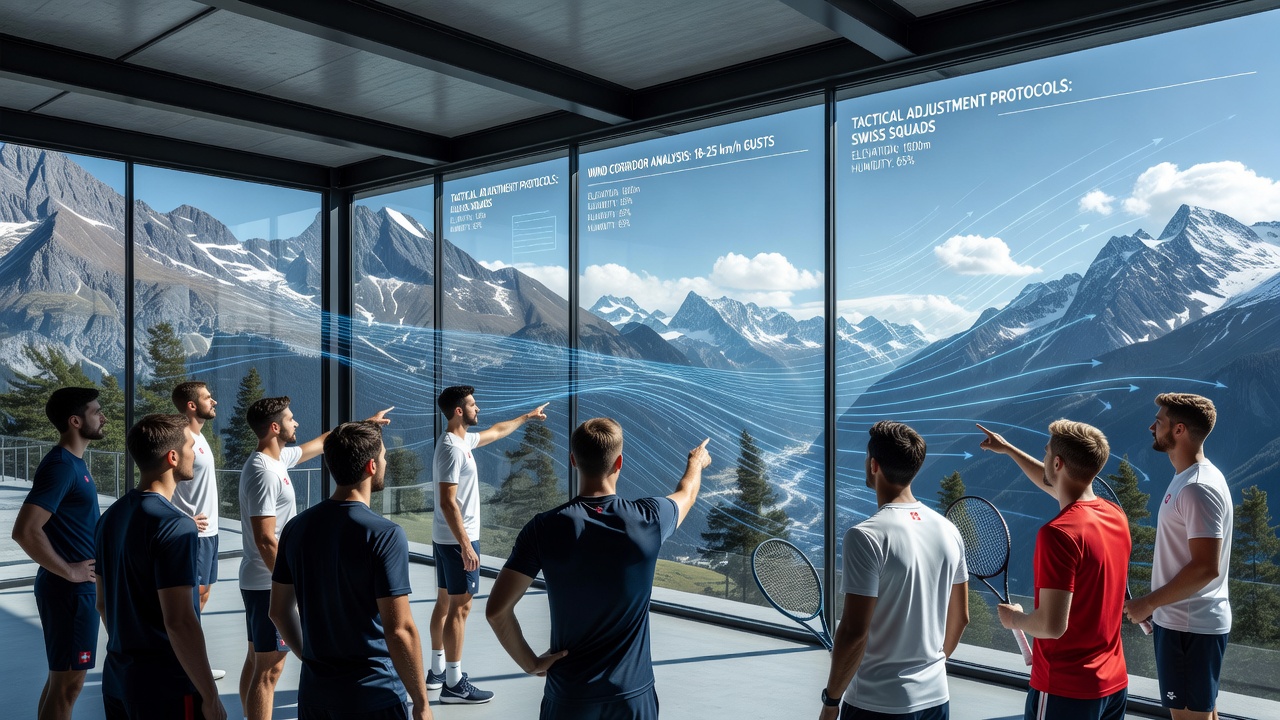
Tennis players representing Swiss national pathways alter serve mechanics and court positioning once wind corridor speeds surpass 20 kilometers per hour. Studies conducted by the Australian Institute of Sport found that serve toss heights increase by an average of 8 centimeters to counteract headwinds that otherwise push the ball into the net. Groundstroke preparation shortens because cross-court gusts accelerate ball speed on one side of the court while slowing it on the return side. Players therefore favor down-the-line shots during tailwind segments and adopt deeper court positions during headwind periods to maintain rally control.
Footwork patterns change as athletes incorporate shorter steps to stabilize against sudden gusts that disrupt balance during split steps. Match data from events held at Crans-Montana shows rally lengths increase by 12 percent when both players adjust to the same wind patterns yet decrease sharply when one player fails to adapt. July 2026 tournament schedules include extra practice blocks dedicated to wind-specific drills that replicate corridor gust intervals recorded at each venue.
Integrated Training Approaches Across Both Sports
National development programs have started sharing wind corridor datasets between basketball and tennis squads because both disciplines face identical elevation and airflow challenges during overlapping tournament weeks. Training logs indicate joint sessions where basketball players practice modified passing angles while tennis players rehearse adjusted footwork on adjacent courts. Canadian Sport Institute reports on altitude sports note that combined exposure to wind and reduced oxygen improves decision-making speed after five to seven days of consistent adaptation.
Equipment choices also reflect corridor conditions. Basketball teams select balls with slightly higher grip textures while tennis players string rackets at lower tensions to increase dwell time on the ball face. Both groups monitor hourly wind readings from on-site stations and adjust warm-up durations accordingly.
Conclusion
Alpine wind corridors continue to shape preparation cycles for Swiss basketball squads and tennis players ahead of high-elevation competitions. Meteorological records, performance tracking, and shared training protocols supply the factual basis for these tactical adjustments. Events planned for July 2026 will test how effectively current modifications translate under documented wind conditions at altitude.