Altitude Training Protocols In Swiss Volleyball Academies Shaping International Match Outcomes For Emerging Talent
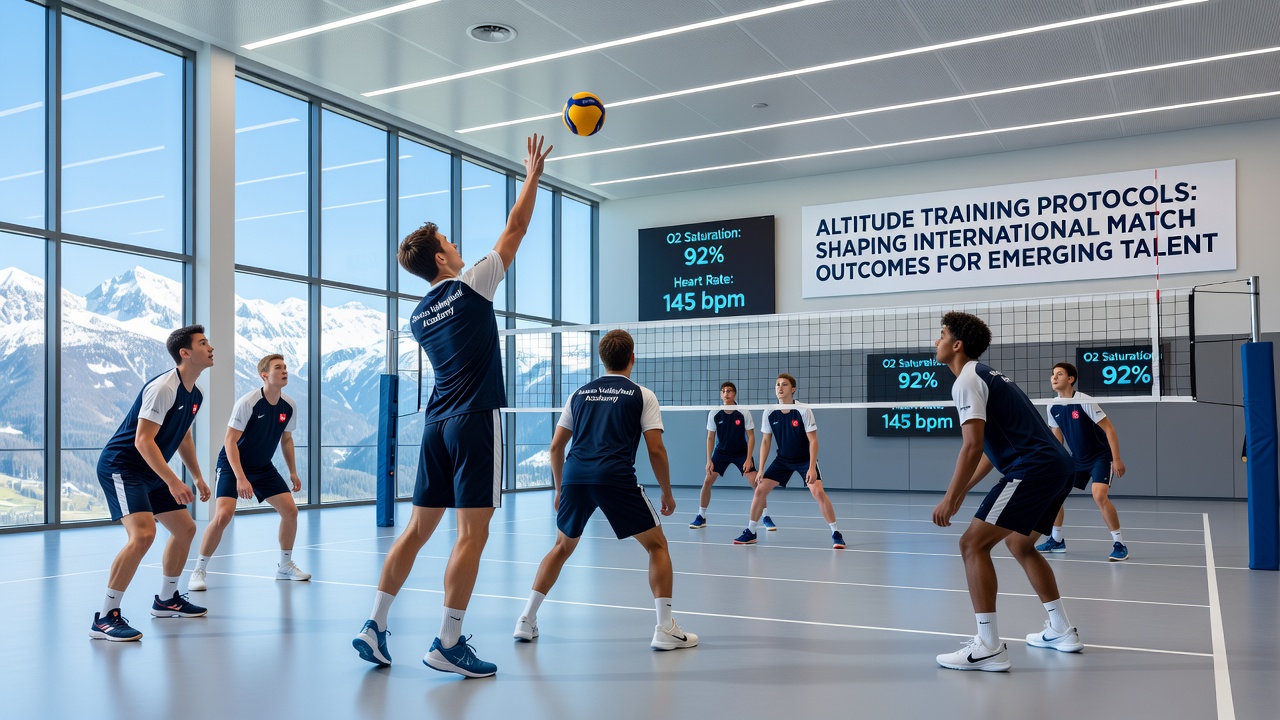
Swiss volleyball academies have integrated altitude training into their development programs for years, and this approach draws on the natural elevation of the Alps to build physiological advantages in young athletes. Academies located in regions like Davos and Engelberg operate at altitudes between 1500 and 2000 meters, where lower oxygen levels prompt adaptations such as increased red blood cell production and improved oxygen utilization during high-intensity efforts.
Core Elements of Swiss Altitude Protocols
Programs typically follow a structured cycle that combines living at altitude with training sessions conducted both at elevation and at lower levels for recovery. Emerging talents aged 16 to 20 spend blocks of three to four weeks at altitude, followed by return periods at sea-level facilities near Lake Geneva or in Ticino. These cycles emphasize repeated sprint work, jump training, and tactical drills adapted to reduced oxygen availability, which forces athletes to maintain power output under fatigue.
Data collected across multiple academies shows that players who complete at least two full altitude blocks per year record measurable gains in vertical jump height and repeated jump ability within six months. Coaches adjust workloads based on blood oxygen saturation readings taken daily, and they monitor heart rate variability to prevent overtraining during the hypoxic phase.
Integration With Match Preparation Schedules
Academies align altitude exposure with the international calendar so that peak physiological adaptations coincide with major tournaments. For instance, squads targeting the European Youth Championships schedule their final altitude camp four to six weeks before departure. This timing allows the body to retain elevated hemoglobin levels while permitting full tactical rehearsals at competition venues.
Performance Indicators in International Competition
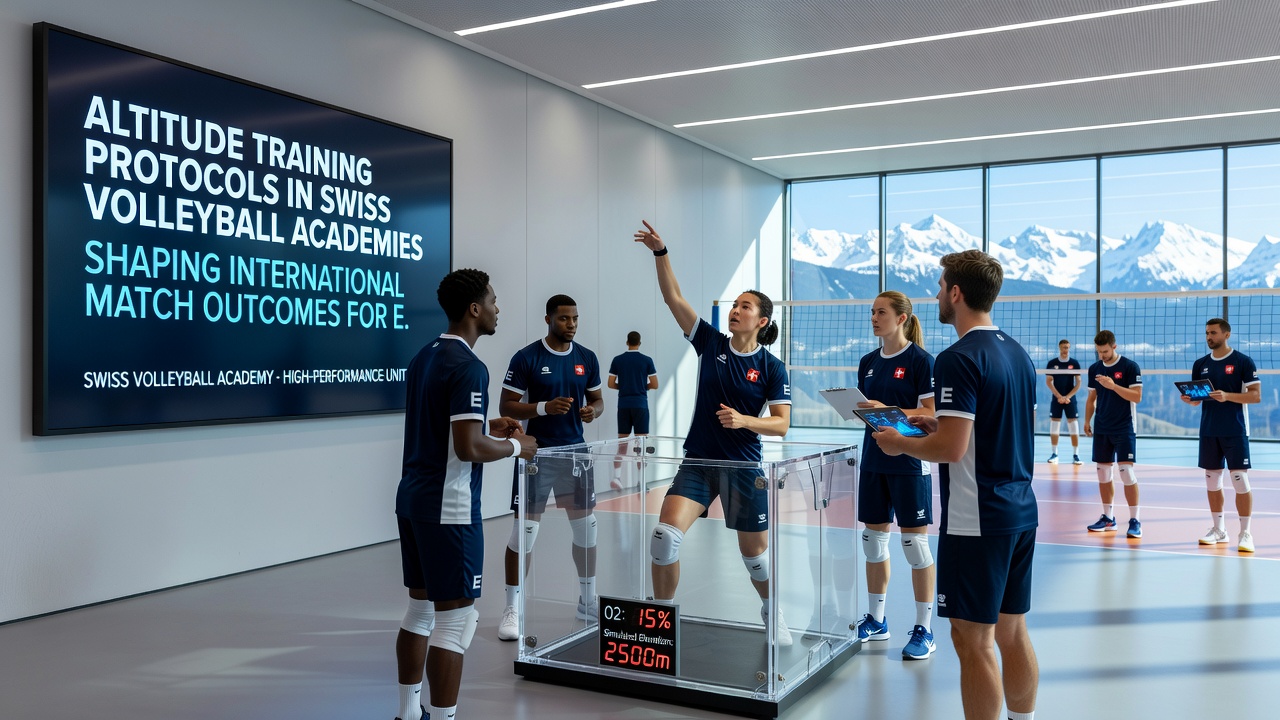
Tracking of Swiss national youth teams since 2022 reveals consistent patterns. Players who logged the highest number of altitude training hours demonstrated superior rally endurance in five-set matches at the 2025 FIVB Volleyball Girls' U19 World Championship. Match statistics compiled by the Swiss Volleyball Federation indicate that these athletes maintained higher attack efficiency percentages in the final two sets compared with teammates who had fewer altitude exposures.
In July 2026 several academies will host joint training camps with clubs from Italy and France at the same high-altitude sites, allowing direct comparison of physiological markers before the start of the European qualification cycle. Organizers plan to publish aggregated recovery and workload data from these sessions through the European Volleyball Confederation portal.
Supporting Research and External Benchmarks
Studies conducted at institutions across different regions provide context for the observed outcomes. Research coordinated by the Australian Institute of Sport has documented similar endurance improvements in court-sport athletes following repeated altitude blocks, while a separate analysis from the University of British Columbia examined neuromuscular adaptations in volleyball-specific movements under hypoxic conditions. Swiss academies reference these findings when refining their own loading parameters.
Additional data from the European College of Sport Science highlights how altitude exposure interacts with maturation stages in adolescent athletes, prompting Swiss programs to tailor protocols differently for 16-year-olds versus 19-year-olds. Academies therefore maintain separate cohorts and adjust session durations accordingly.
Monitoring Technology and Data Collection
Modern Swiss facilities employ portable near-infrared spectroscopy devices and wearable GPS units during both altitude and sea-level sessions. The resulting datasets feed into centralized databases that track individual responses over multiple seasons. Coaches use these records to predict which players are likely to sustain high performance levels during extended international tournaments.
Observers note that academies also incorporate lower-altitude recovery weeks using lake-level facilities to balance the stress of hypoxic training. This dual-environment approach appears in the yearly calendars published by the Swiss Olympic Association.
Conclusion
Altitude protocols embedded in Swiss volleyball academies continue to influence selection criteria and match preparation for emerging national team prospects. The combination of natural elevation, structured cycles, and detailed performance tracking produces measurable physiological changes that align with the demands of international competition. As programs prepare for events scheduled in 2026 and beyond, the emphasis remains on consistent data collection and individualized adjustments rather than uniform application across all age groups.