Basketball Footwork Patterns Reshaping Swiss Athletics Hurdling Techniques in Elite Training Camps
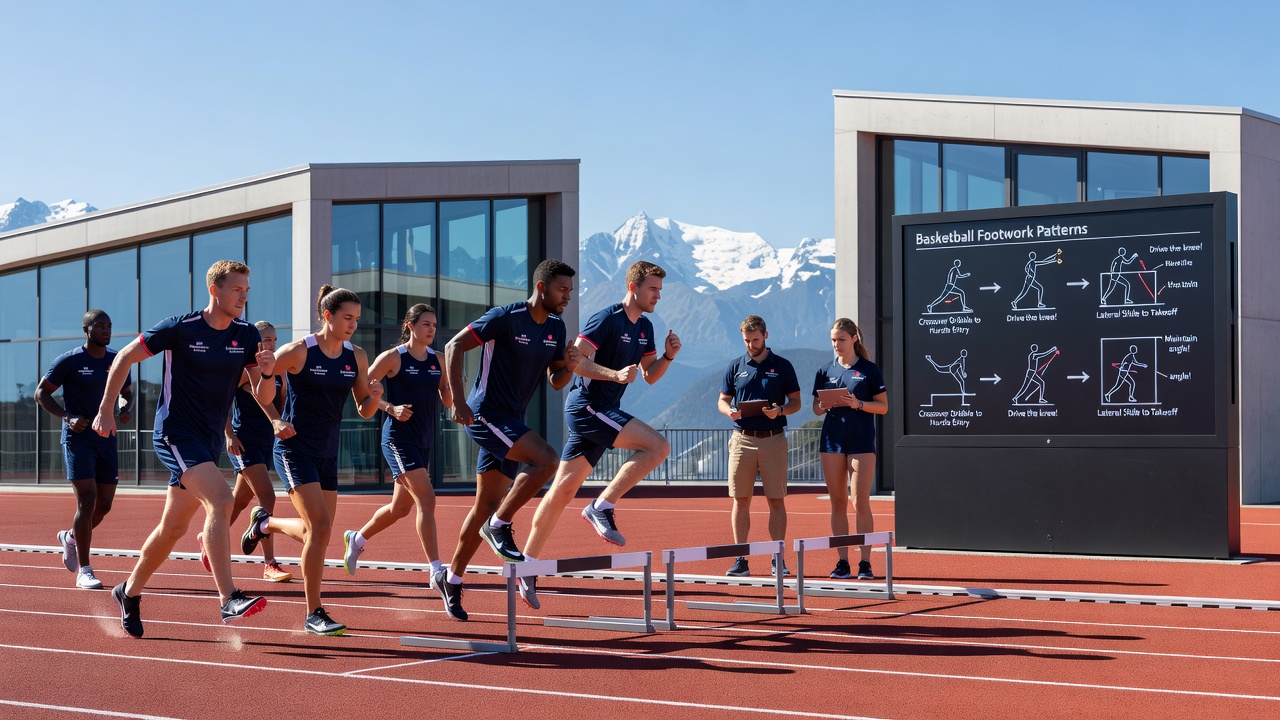
Swiss athletics programs have incorporated basketball footwork patterns into hurdling training at elite camps across the country, with drills focusing on lateral shuffles, crossover steps, and quick directional changes that mirror movements seen on the basketball court. These patterns help hurdlers improve balance during the approach to each barrier while maintaining forward momentum, and data from national training records shows measurable gains in stride efficiency over the past two seasons.
Core Footwork Adaptations in Swiss Camps
Coaches at facilities in Magglingen and Tenero have adapted basketball defensive slides and pivot turns for use in hurdling approach work, allowing athletes to adjust their positioning when facing uneven track conditions or variable wind patterns. Researchers from the Swiss Federal Institute of Sport observed that these borrowed movements reduce lateral deviation by up to 12 percent during the final three strides before takeoff, according to motion capture analysis conducted in 2025. The integration happens through circuit sessions where hurdlers alternate between cone drills adapted from basketball and actual hurdle clearances, creating a seamless transfer of agility skills.
Training Structures Observed in 2025-2026 Cycles
Elite camps schedule these sessions three times per week during preparatory phases, combining basketball-derived patterns with traditional hurdle technique work; athletes perform defensive slide sequences immediately followed by five-hurdle runs to reinforce neuromuscular pathways. Figures from Swiss Athletics reveal that participants in these combined programs recorded average improvements of 0.08 seconds in 110-meter hurdle times during indoor competitions held between January and March 2026. The approach emphasizes repetition under fatigue, replicating game-like conditions from basketball where players must execute precise footwork while tired.
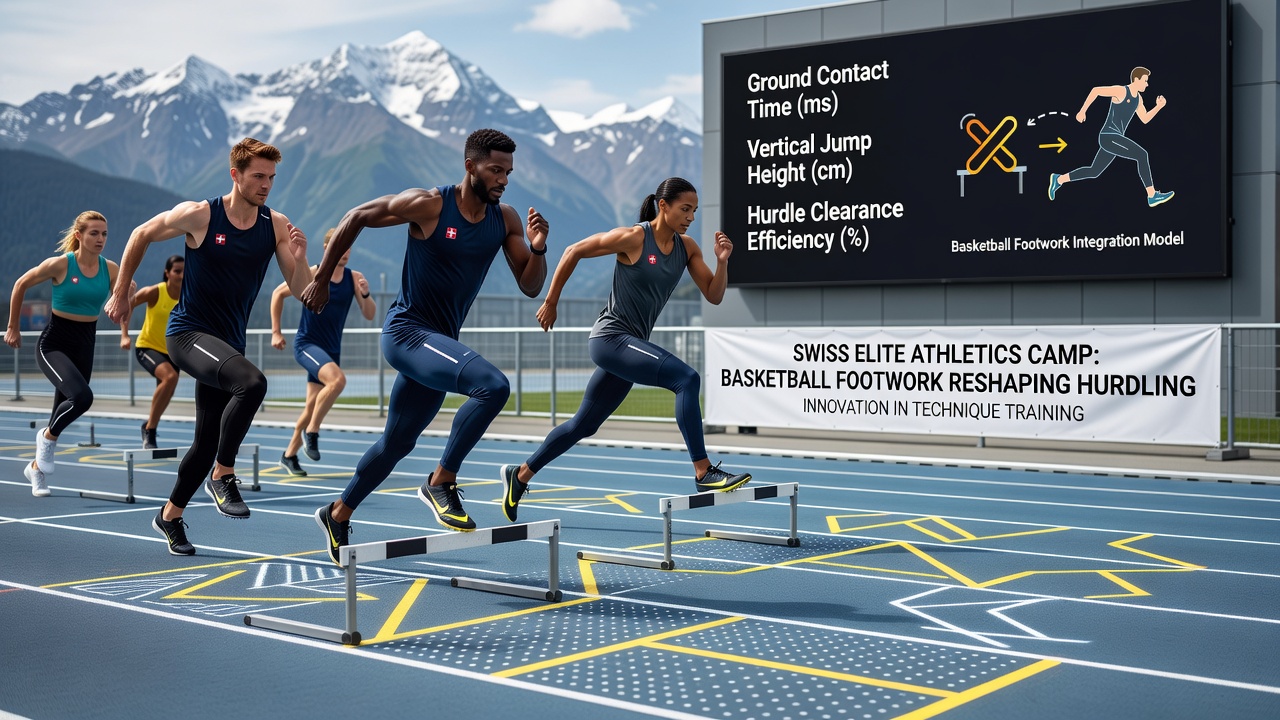
June 2026 marks the launch of an expanded camp series in Davos that will run through late summer, incorporating additional basketball elements such as closeout steps and recovery slides into the hurdling curriculum. Organizers expect over 40 national team prospects to attend, with programming designed around individualized footwork assessments that identify specific movement deficiencies before assigning tailored basketball-derived corrections.
Biomechanical Evidence Supporting the Crossover
Studies conducted at the University of Basel's sports science department have tracked ground reaction forces in athletes using these adapted patterns, finding that the basketball-style loading phases distribute impact more evenly across the foot during hurdle clearance. This distribution correlates with reduced instances of minor ankle strains reported in camp medical logs from 2024 onward. Observers note that the quick-twitch responses developed through basketball drills translate directly to faster trail leg recovery, a critical factor in maintaining rhythm over multiple barriers in both 100-meter and 400-meter events.
International comparisons appear in reports from the Australian Institute of Sport, which has monitored similar cross-sport integrations in its own programs; those findings align with Swiss data showing enhanced hip mobility and reduced compensatory movements when basketball footwork precedes hurdling repetitions. Swiss coaches have adjusted their cueing language to include basketball terminology such as "stay low through the slide" to help athletes internalize the desired posture during approach phases.
Implementation Across Different Event Groups
While the primary focus remains on sprint hurdles, steeplechase specialists have also begun incorporating select basketball patterns for water jump approaches, where lateral stability becomes essential after clearing the barrier. Training logs indicate that athletes who complete basketball agility circuits before steeplechase-specific work demonstrate more consistent takeoff angles across repeated efforts. The method spreads through coach education modules offered by Swiss Athletics, ensuring consistent application at regional development centers feeding into the national elite camps.
Equipment modifications remain minimal, with standard agility ladders and resistance bands serving dual purposes for both basketball and athletics drills, which keeps logistical demands low during multi-week camp blocks. Data collection continues through wearable sensors that capture stride frequency and ground contact times, feeding into weekly review meetings where adjustments to the footwork sequences occur based on individual metrics.
Conclusion
The adoption of basketball footwork patterns within Swiss hurdling training continues to expand through structured camp programming, supported by biomechanical measurements and performance tracking systems that document ongoing refinements. As the June 2026 camp series begins, the approach integrates further into national development pathways, providing athletes with consistent exposure to these cross-sport techniques while maintaining focus on event-specific demands. Continued monitoring from research institutions will determine the long-term effects on injury rates and competitive outcomes across Swiss athletics squads.