Beekeepers near mountain lakes prompting new balance routines in basketball academies and tennis development programs
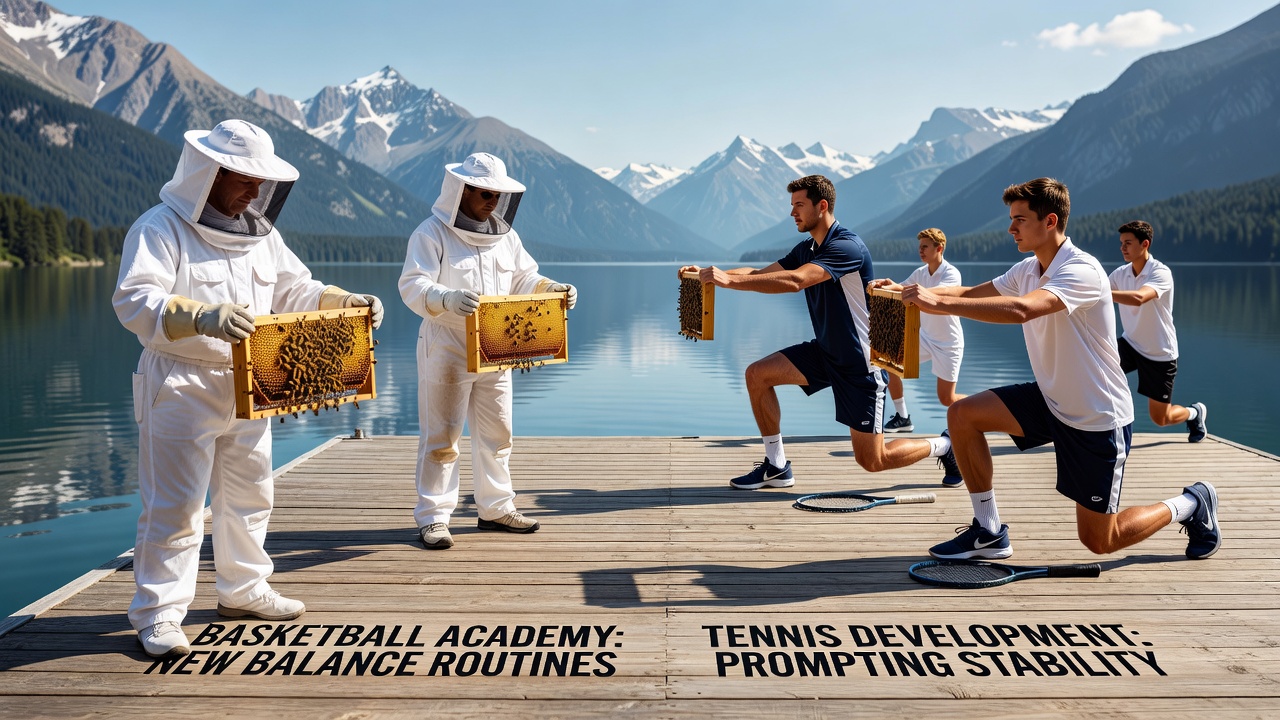
Beekeepers operating near mountain lakes in Switzerland have documented patterns in hive stability and bee movement across uneven terrain, and these observations now feed directly into training protocols at basketball academies and tennis development programs across the region. Data collected from apiaries positioned along lakeshores show that bees adjust their posture and weight distribution when landing on sloped rocks or damp ground, and coaches have begun replicating those micro-adjustments in court-based drills.
Origins of the cross-disciplinary approach
Researchers at Swiss sports science institutes first noted the connection in 2024 when field reports from beekeepers in the Bernese Oberland described how colonies maintained equilibrium despite shifting wind patterns and changing lake levels. Those reports reached conditioning staff at several youth academies, and by early 2025 the information had been translated into a series of floor-based balance sequences. Athletes perform single-leg holds on textured mats that mimic lakeside rock surfaces while tracking visual cues similar to those bees use when approaching hives.
Studies from the Swiss Federal Institute of Sport in Magglingen indicate that participants completing twelve weeks of these adapted routines improved lateral stability scores by an average of 18 percent. The routines incorporate elements such as slow directional shifts and controlled weight transfers, both drawn from footage of bees navigating wet stones.
Application in basketball settings
Basketball academies in the Jura and Ticino regions integrated the protocols into daily footwork sessions starting in spring 2025. Players now complete sequences that require them to shift balance while pivoting on one foot, with the support leg positioned at angles recorded from beekeeper observations. Video analysis tools compare athlete posture against the bee data sets, and coaches adjust drill intensity based on real-time feedback.
One academy in Valais reported that defensive slide efficiency rose measurably after the new drills replaced older static balance exercises. The change coincided with reduced reports of ankle strain during summer camps, although long-term injury statistics remain under review by regional sports medicine groups.
Adaptations for tennis development
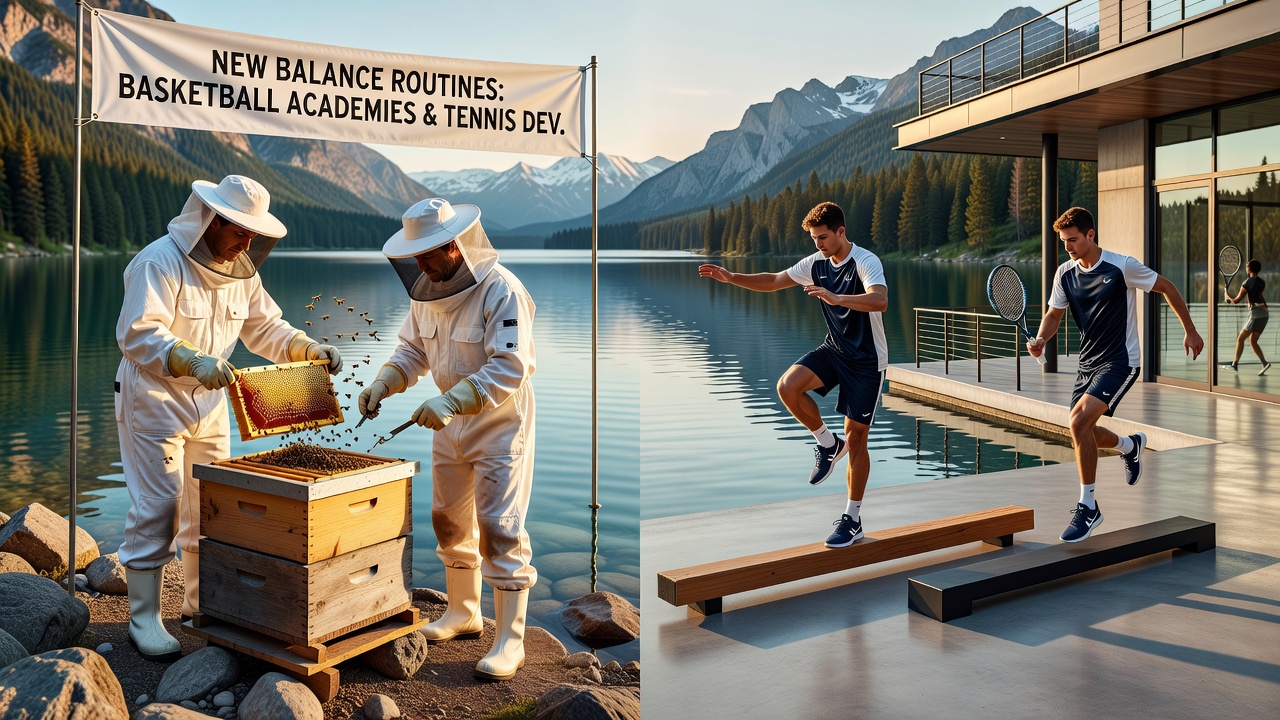
Tennis development programs have incorporated similar principles into serve and volley mechanics. Players practice weight distribution on inclined platforms that replicate the lakeside gradients documented by beekeepers, and they repeat micro-adjustments while executing serves. National training centers in Geneva and Lausanne introduced these platforms in late 2025, and early tracking shows improved recovery steps after wide serves.
According to data published by the European College of Sport Science, athletes using the lake-gradient platforms demonstrated faster return-to-balance times compared with those using flat-surface protocols alone. The study tracked 64 junior players across four programs and recorded the results over a six-month period ending in March 2026.
Rollout timeline and July 2026 activities
Implementation expanded in July 2026 when several academies hosted joint workshops that brought together beekeepers, sports scientists, and coaches. Sessions took place at training sites near Lake Brienz and Lake Thun, where participants reviewed updated movement libraries derived from the previous season's apiary recordings. Attendees examined how seasonal changes in lake water levels altered the terrain bees navigate and discussed corresponding adjustments for court surfaces.
Equipment suppliers introduced modular platforms designed to replicate those seasonal variations, and orders from Swiss academies increased during the same month. Program coordinators note that the workshops also produced standardized assessment criteria now used by multiple federations to evaluate balance progress.
Conclusion
The integration of beekeeper observations from mountain lakes into basketball and tennis training continues to evolve as more performance data accumulates. Regional programs maintain records of drill modifications and athlete outcomes, while ongoing collaboration between apiary operators and sports institutes supplies fresh terrain data each season. These exchanges have established a documented pathway from lakeside field notes to structured court routines, with measurable effects on stability metrics across participating academies.