Crossover endurance techniques Swiss footballers borrow from skiing and cycling for enhanced match fitness
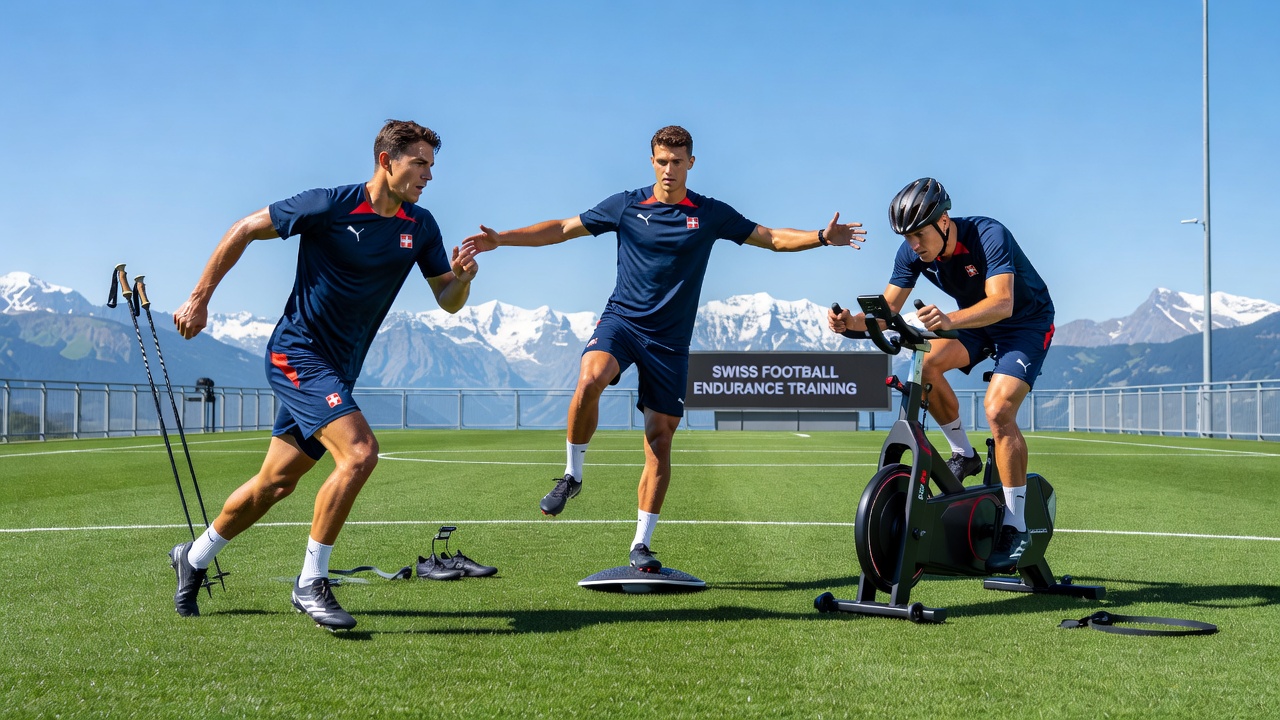
Swiss footballers have long drawn on the country's alpine and cycling traditions to build match fitness, and these crossover methods continue to shape training programs in 2025 and into the 2026 season. Researchers at Swiss institutions have documented how techniques from cross-country skiing and road cycling transfer to the demands of 90-minute football matches, particularly in high-intensity running and recovery periods.
Alpine skiing foundations for aerobic capacity
Cross-country skiing develops sustained aerobic output through prolonged efforts at moderate to high intensities, and Swiss footballers integrate similar long-duration sessions during off-season periods. Data from the Swiss Federal Office of Sport indicates that athletes who complete ski-based endurance blocks record measurable gains in VO2 max, which supports repeated sprint efforts on the pitch. These sessions often occur at altitude above 1500 meters, where oxygen uptake challenges mirror the physiological stress encountered during late-game scenarios.
Balance and core stability drills borrowed from skiing also appear in football warm-ups, since skiers maintain posture over uneven terrain for hours. Swiss national team staff have incorporated single-leg exercises on unstable surfaces that replicate ski pole propulsion patterns, helping players maintain running mechanics when fatigued. Observers note that players returning from these camps demonstrate improved stride efficiency during the final 15 minutes of matches.
Cycling intervals translated to pitch demands
Road cycling supplies structured interval work that Swiss footballers adapt through hill repeats and tempo rides. Professional cyclists in Switzerland train with repeated climbs lasting three to eight minutes, and football conditioning coaches convert these efforts into pitch-based drills such as repeated shuttle runs or weighted sled pushes. According to research published by the University of Basel, cyclists who transition into team sports show faster lactate clearance rates, a trait that allows footballers to sustain high workloads across multiple matches in a condensed fixture list.
Power output tracking from cycling computers informs individualized thresholds for footballers, with heart rate zones calibrated to match the intermittent profile of a game. Teams schedule group rides on Swiss mountain passes during pre-season, combining aerobic base building with tactical discussions that keep sessions engaging while delivering measurable fitness adaptations.
Combined protocols and recovery integration
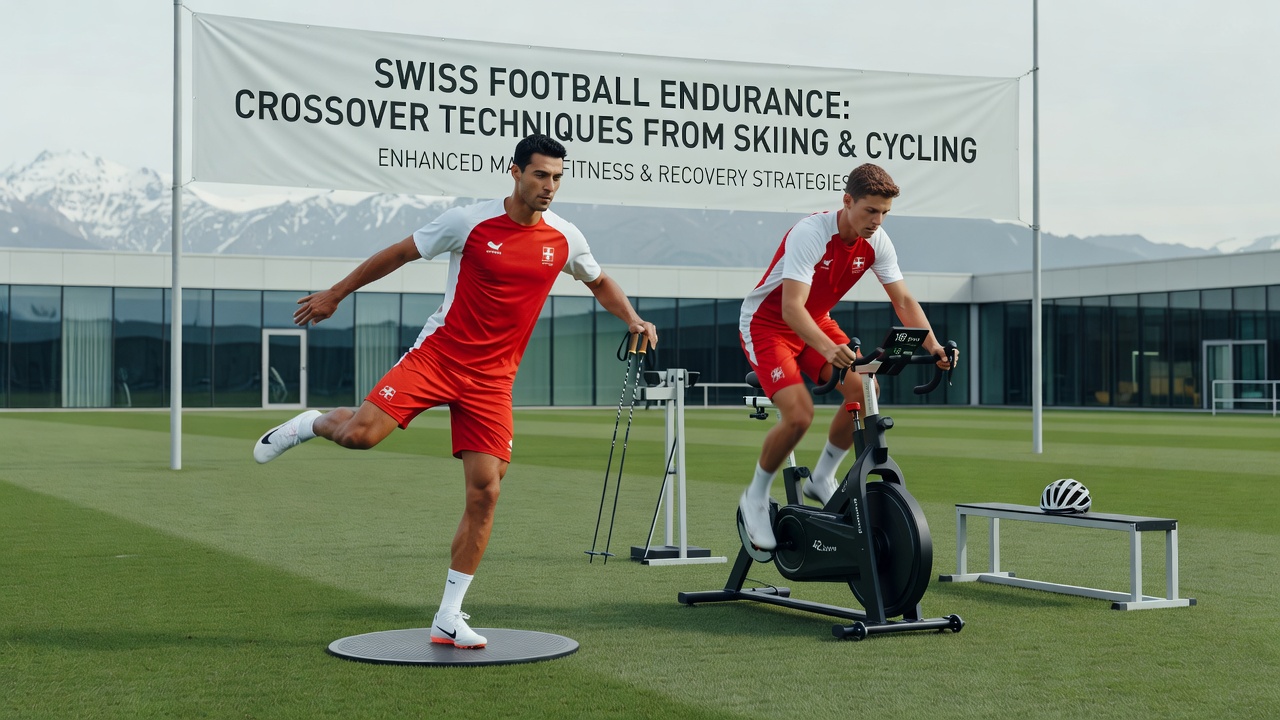
Programs that blend skiing and cycling elements create hybrid blocks lasting four to six weeks, where athletes alternate ski days with cycling sessions before returning to football-specific work. Recovery protocols borrowed from both sports include compression routines and altitude simulation tents, which Swiss medical staff monitor through blood markers and sleep tracking. Figures from the Swiss Olympic Association reveal that players following these combined schedules experience fewer soft-tissue injuries during the Bundesliga and Super League winter breaks.
Nutrition strategies developed for endurance cyclists, such as carbohydrate periodization around long efforts, transfer directly to football match preparation. Skiers contribute knowledge on hydration in cold conditions, which proves useful when teams train outdoors in early spring. These overlapping practices receive regular review through performance data collected by clubs and national federations.
Application ahead of 2026 fixtures
As Swiss clubs and the national team prepare for qualification matches and international windows scheduled through June 2026, endurance crossover work features prominently in periodized plans. Training camps in the Alps combine ski touring with cycling time trials to replicate the varied terrain and intensity shifts players will face during tournament play. Monitoring tools track metrics such as distance covered at high speed and number of accelerations, allowing coaches to adjust loads before key fixtures.
Younger academy players also follow modified versions of these protocols, with age-appropriate skiing and cycling activities introduced to build long-term aerobic foundations. Swiss football associations coordinate with regional cycling and skiing federations to share facilities and expertise, creating pathways that support consistent development across seasons.
Conclusion
Endurance techniques drawn from skiing and cycling supply Swiss footballers with targeted tools for aerobic power, lactate management, and injury resilience. These methods integrate into existing schedules through structured blocks, data-driven thresholds, and collaborative training environments that continue evolving ahead of 2026 competitions. Ongoing monitoring by sports science teams ensures adaptations remain aligned with the specific physical requirements of match play.