Digital Shifts Transforming Spectator Experiences at Swiss Ice Hockey Venues
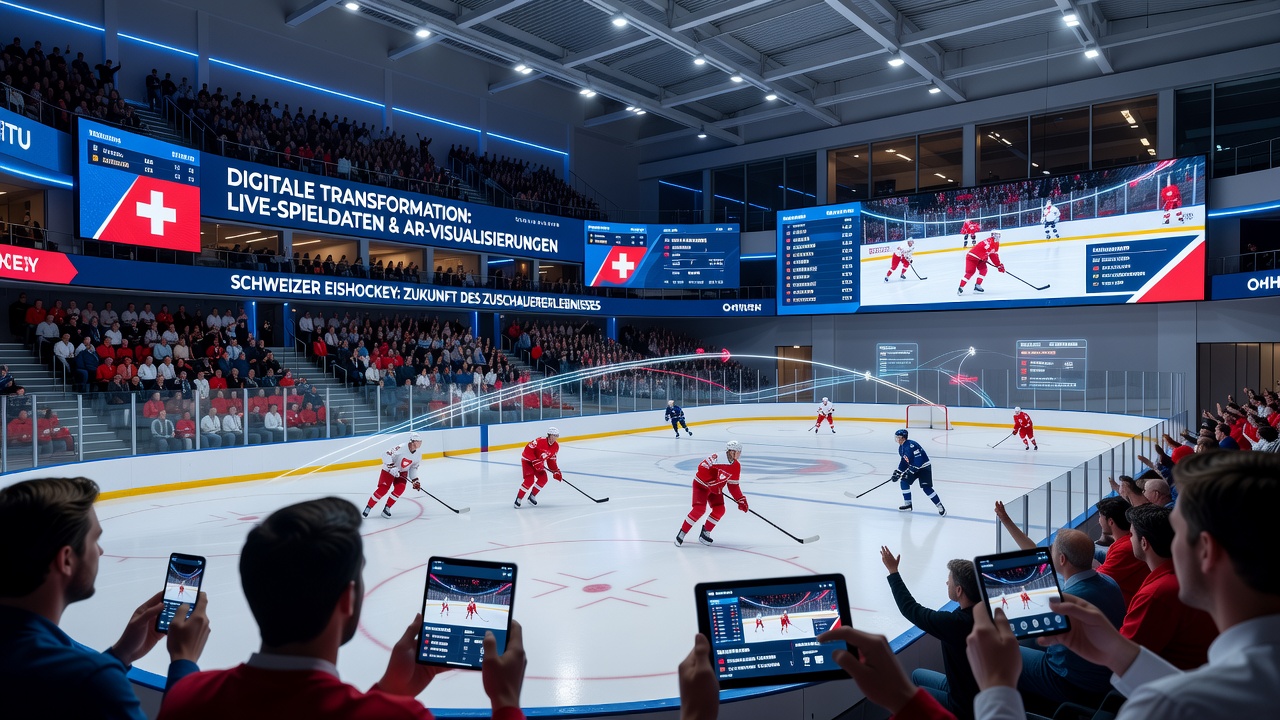
Swiss ice hockey venues have integrated digital platforms that streamline ticketing, enhance real-time engagement, and deliver personalized content to spectators across the National League circuit. Arenas such as the PostFinance Arena in Bern and the Vaudoise Aréna in Lausanne now rely on mobile applications that handle entry, concessions, and seat upgrades through single-interface systems. These tools connect directly with club databases so fans receive push notifications about player line changes or penalty reviews without leaving their seats. Data from the 2024-2025 season shows that clubs using unified apps recorded a 28 percent increase in in-app purchases compared with previous years when paper tickets and cash registers remained common.
Mobile Applications and Venue Integration
Developers have built apps that sync with arena Wi-Fi networks and beacon sensors placed throughout seating sections, allowing location-based content to appear automatically. A spectator near the penalty box might see replays of the preceding play or historical match footage featuring the same linesmen. According to a report published by the Swiss Federal Council on digital infrastructure, more than 65 percent of National League attendees used venue-specific apps at least once during the regular season. The same infrastructure supports contactless payments at concession stands, which reduced average transaction times from 45 seconds to under 12 seconds at tested locations.
Clubs also employ these platforms to manage dynamic pricing for remaining seats on game days. When attendance projections fall short, algorithms lower ticket costs for specific zones and notify registered users within minutes. This approach has helped teams fill an additional 4 to 7 percent of capacity on midweek matches, according to internal figures shared by league operators.
Augmented Displays and Live Data Streams
Large LED panels above the ice now incorporate second-screen elements that mirror the mobile experience for those who prefer not to use personal devices. Live statistics, shot maps, and player tracking overlays update every few seconds, drawing from the same optical tracking systems used by coaching staffs. Research conducted by the International Ice Hockey Federation indicates that venues adopting synchronized display technology saw measurable rises in average dwell time before puck drop, with fans arriving earlier to review pre-game analytics.
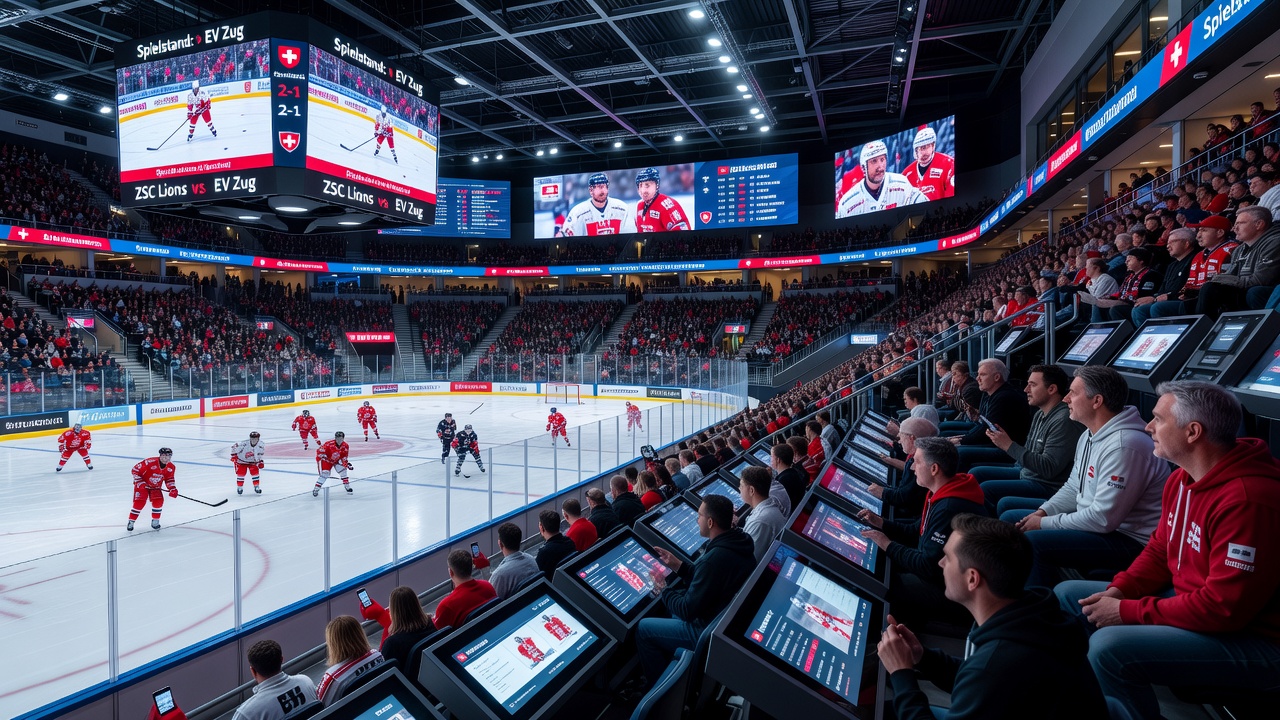
Some arenas have introduced limited augmented-reality activations that activate when fans point phones at designated zones near the benches. These activations reveal player biographies, equipment specifications, or historical goal sequences tied to that exact location on the ice. Although rollout remains gradual, clubs report that early adopters spend roughly 15 percent more time inside the venue before and after regulation play.
Connectivity Upgrades and Accessibility Features
Network capacity upgrades completed ahead of the 2025-2026 campaign allow thousands of simultaneous connections without the congestion previously reported during high-attendance games. Swisscom, the primary infrastructure provider for several arenas, installed small-cell antennas that maintain consistent speeds even when 12,000 devices operate concurrently. These improvements support live streaming of alternate camera angles that fans can select from their seats, a feature that has proven especially popular during power-play sequences.
Accessibility tools have expanded alongside the commercial features. Real-time captioning appears on personal devices for hearing-impaired spectators, while audio descriptions of on-ice action are available through the same apps. The Swiss Paralympic Committee has collaborated with two National League clubs to test these functions during exhibition matches, with plans to standardize them across additional venues before July 2026.
Data Privacy and Fan Feedback Loops
Clubs collect anonymized movement and engagement data that informs everything from concession inventory to staffing levels for security personnel. European Union guidelines on data protection, referenced in Swiss regulatory updates, require explicit consent for each data category, and most apps now present granular toggles during initial setup. Observers note that transparent consent mechanisms have correlated with higher opt-in rates, reaching 78 percent among season-ticket holders in the most recent survey conducted by league marketing teams.
Feedback channels built into the applications allow spectators to rate individual services immediately after use. Concession wait times, restroom cleanliness, and sound levels all receive direct ratings that management reviews weekly. Several clubs have adjusted staffing patterns or volume settings within a single week based on aggregated responses, demonstrating how digital loops accelerate operational changes.
Conclusion
Digital systems continue to evolve in Swiss ice hockey venues through incremental upgrades rather than wholesale replacements of existing infrastructure. Clubs coordinate with technology partners to ensure compatibility across ticketing, analytics, and fan-engagement layers while maintaining compliance with national and international standards. Preparations for the 2026-2027 season include further testing of multi-language support and expanded accessibility options scheduled for implementation before July 2026. These measured steps reflect ongoing efforts to align venue operations with spectator expectations shaped by broader digital adoption across Switzerland.