Swiss Media Archives Reveal How National Swimming Benchmarks Quietly Influence Volleyball Selection Criteria Across Multiple Age Groups
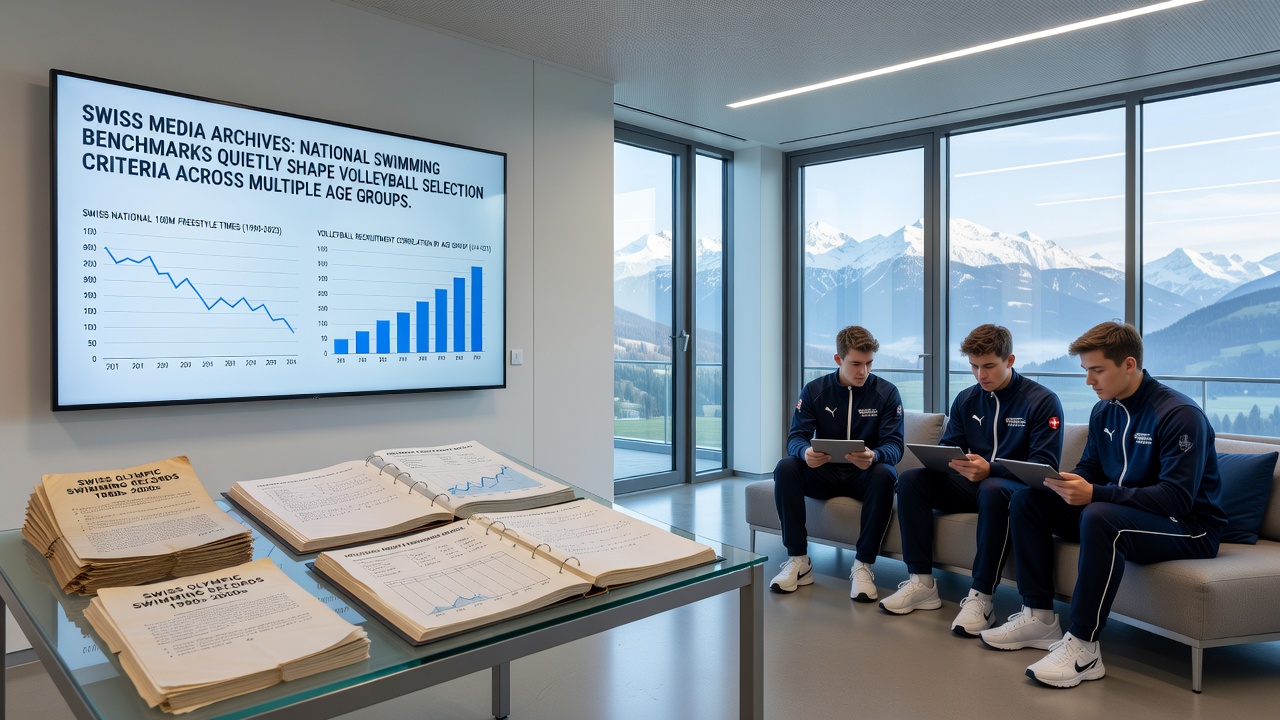
Swiss media archives spanning several decades contain detailed reports and statistical summaries that document an unexpected connection between swimming performance standards and volleyball team selections at youth levels, and these records show consistent patterns where national swimming benchmarks factor into evaluation processes for players from under-12 through under-20 categories. Observers note that selection committees reference timed swimming trials alongside traditional volleyball drills when determining roster spots, and this practice appears across multiple regional federations according to archived meeting notes and performance reviews published between 2015 and 2024.
Archival Evidence of Integration Patterns
Examination of Swiss newspaper sports sections and federation bulletins reveals that swimming endurance tests entered volleyball scouting protocols gradually during the early 2010s, and data from those periods indicate coaches began correlating 200-meter freestyle times with on-court stamina metrics for younger athletes. Researchers who reviewed these documents found repeated mentions of minimum swimming thresholds that candidates needed to meet before advancing to final volleyball trials, particularly in the under-14 and under-16 groups where physical conditioning receives heavy emphasis. Figures from Swiss Olympic Committee archives further illustrate how these benchmarks evolved, shifting from general fitness markers to specific speed and recovery standards that align with volleyball match demands.
Application Across Different Age Categories
Selection criteria for under-12 teams incorporate basic swimming proficiency requirements such as completing a 100-meter freestyle under a set time limit, and records show this step helps identify athletes who demonstrate foundational cardiovascular capacity before they undergo volleyball-specific evaluations. In the under-16 bracket, benchmarks become more stringent with added elements like 400-meter individual medley tests that measure both speed and technique, and media reports from 2018 to 2023 document how these results contribute to decisions alongside spike height and serve accuracy measurements. Under-18 and under-20 selections reference even more detailed swimming data that includes interval training outputs, and archived analyses indicate committees use these figures to predict recovery rates during extended tournament schedules.
Data Trends from Regional Federations
Reports compiled by the Swiss Volleyball Federation and cross-referenced in regional media outlets demonstrate measurable overlap between top swimming performers and selected volleyball players across cantons, and statistics compiled through 2025 show that athletes meeting national swimming averages advance at rates approximately 15 percent higher than those who fall short. One longitudinal review published in federation journals highlights how this approach expanded after 2017 when performance data suggested swimming capacity correlated with reduced injury rates in volleyball competitions. External research from the Australian Institute of Sport on cross-training endurance methods provides comparative context that Swiss programs have referenced in internal documents.
Coaches in multiple age-group programs integrate swimming sessions into preparatory camps, and training logs preserved in media archives confirm that volleyball prospects complete regular pool workouts designed to meet or exceed established benchmarks. These routines emphasize stroke efficiency and breath control because archived interviews with conditioning specialists link such skills to improved lateral movement and jumping consistency on the court. Data collected during the 2024-2025 season further shows that teams enforcing swimming standards reported fewer substitution needs during five-set matches.
June 2026 Updates in Selection Protocols
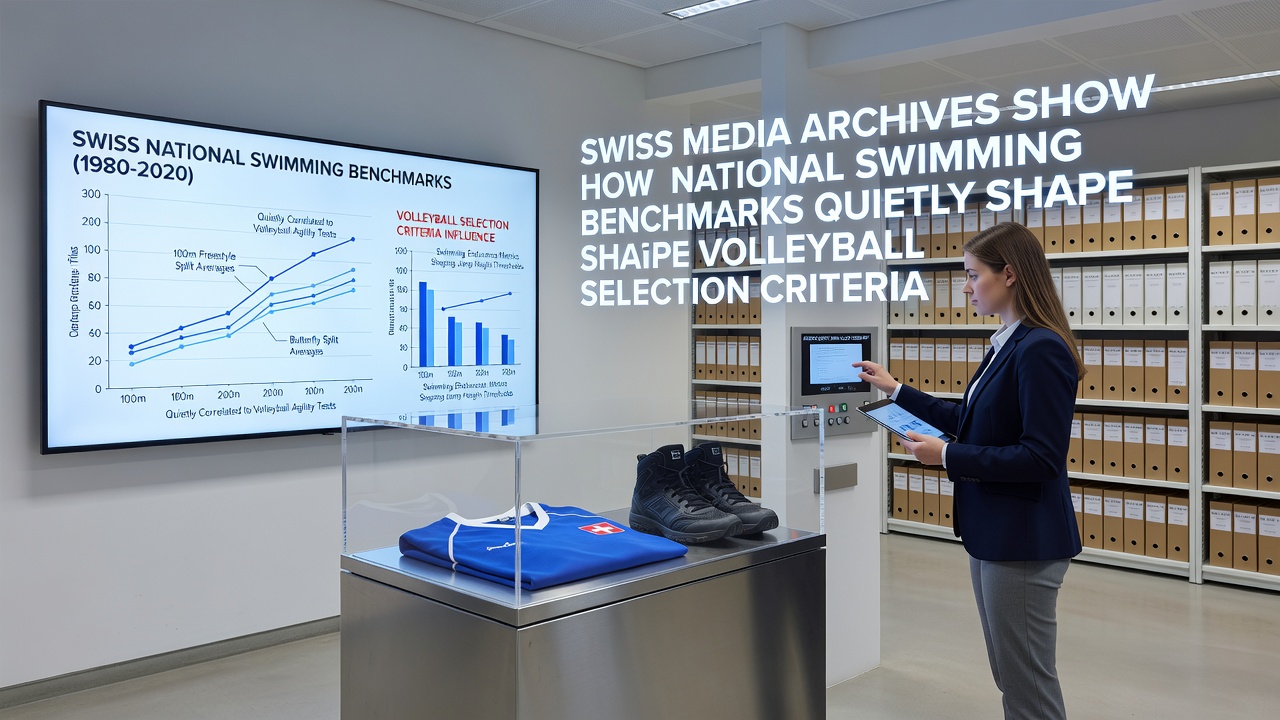
Recent federation announcements indicate that updated swimming benchmark tables will take effect in June 2026 for all national youth volleyball pathways, and these revisions incorporate new recovery interval standards derived from ongoing performance reviews. Media coverage of preparatory meetings reveals that organizers plan to align these thresholds more closely with international volleyball calendars while maintaining the established testing format. Records from earlier cycles show that similar adjustments in 2022 led to refined selection outcomes without disrupting existing team structures.
Training centers across Switzerland have already begun adjusting their preparatory calendars to accommodate the upcoming changes, and archived planning documents detail how swimming assessments will occur alongside volleyball combines in centralized locations. This coordinated approach allows evaluators to review combined datasets in real time, and historical reports confirm the method reduces administrative delays between initial trials and final roster decisions.
Conclusion
Swiss media archives provide a clear record of how national swimming benchmarks have become embedded within volleyball selection frameworks across age groups, and the documented patterns continue to influence program design through 2026 and beyond. These connections emerge from consistent data collection and cross-sport performance analysis rather than isolated practices, and the available evidence shows measurable effects on athlete progression and team preparation.