Swiss Volleyball Drills Reshaping Tennis Serve Mechanics Among National Team Prospects
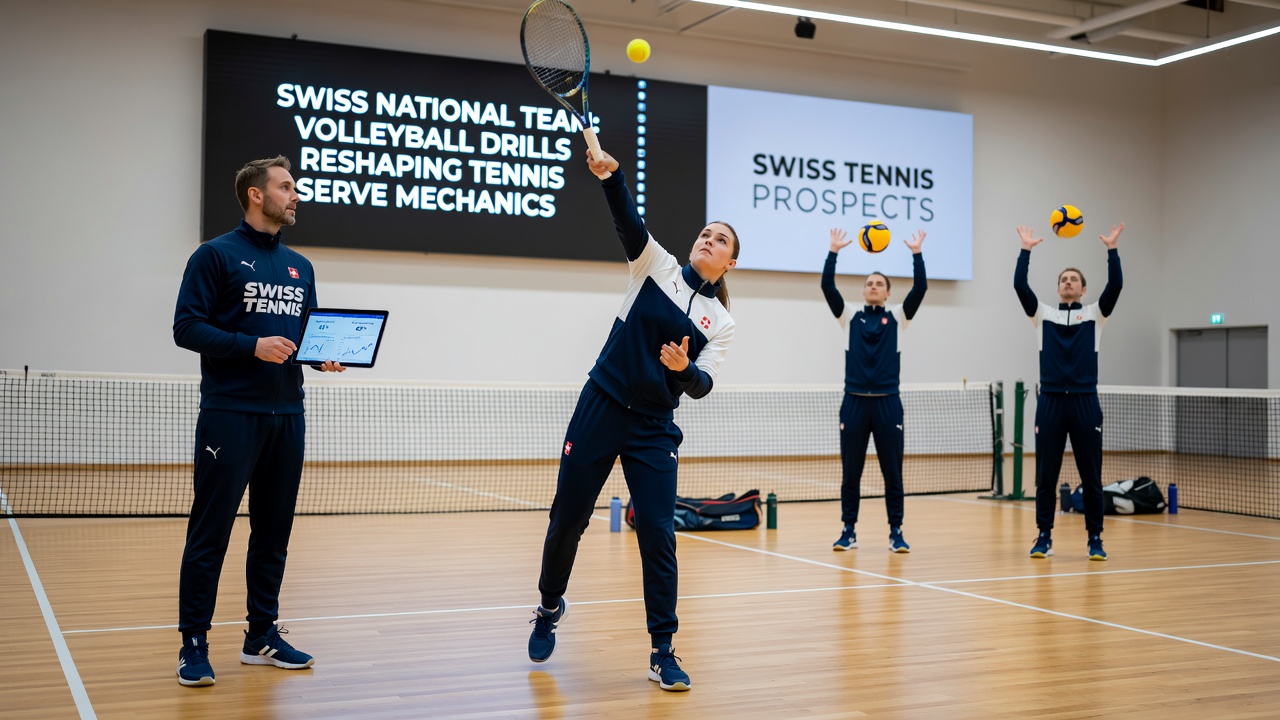
Swiss sports programs have integrated volleyball training methods into tennis development pathways for national team prospects, creating measurable shifts in serve mechanics that emphasize explosive power and rotational efficiency. Data from Swiss Olympic training centers shows that athletes combining these drills achieve higher ball speeds during serves while maintaining consistency across extended match play. Researchers at institutions across Europe have documented how volleyball-specific footwork and arm-swing patterns transfer directly to tennis service motions, producing smoother kinetic chains that reduce shoulder strain over time.
Core Volleyball Techniques Adopted in Tennis Training
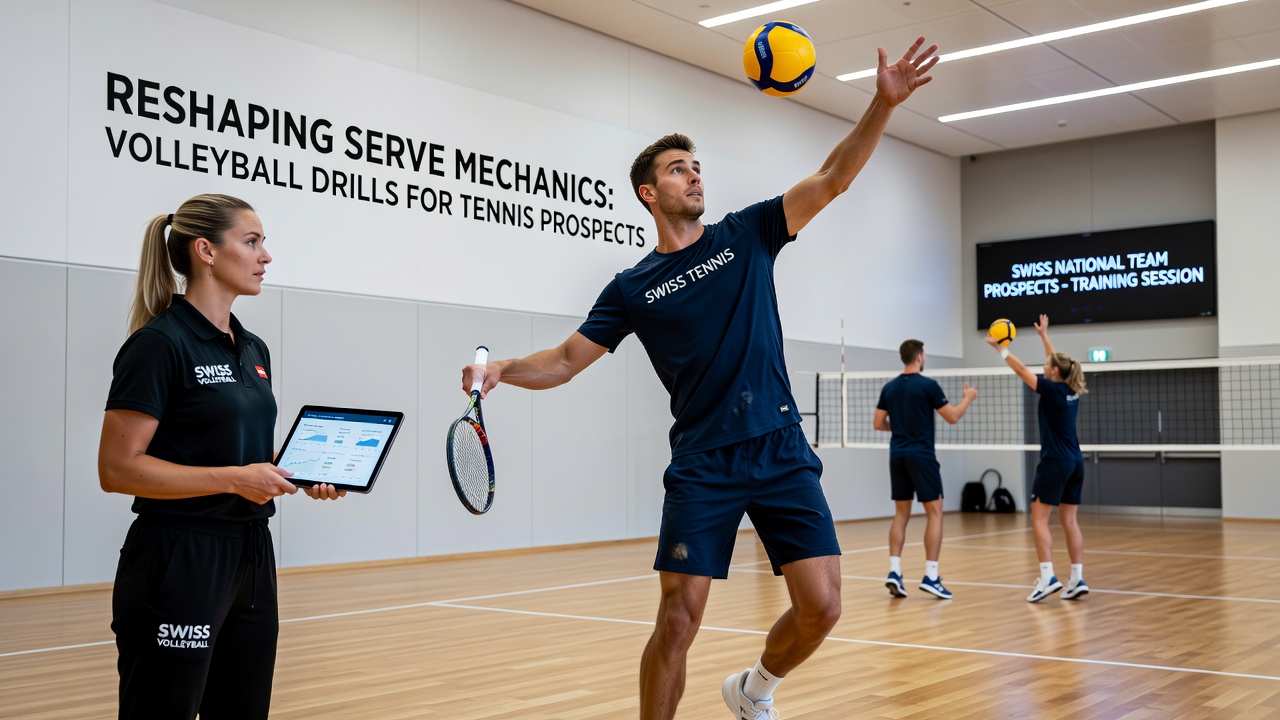
Jump serve mechanics from volleyball form the foundation of these adapted sessions, where prospects practice explosive vertical leaps followed by rapid arm extensions that mirror the tennis toss and contact point. Coaches incorporate blocking footwork patterns to improve lateral stability during the serve preparation phase, allowing players to generate additional torque through the core without losing balance. Studies conducted by the Swiss Federal Institute of Sport in Magglingen reveal that these combined movements increase serve velocity by an average of 8 to 12 kilometers per hour among participants aged 16 to 22 after eight weeks of consistent application.
Prospects also drill volleyball passing sequences that emphasize quick directional changes, which translate into better recovery steps following powerful serves. This approach connects directly to match situations where players must transition immediately from serving to baseline coverage. Training logs from the Swiss Tennis Federation indicate that athletes who complete these hybrid sessions three times weekly demonstrate improved first-serve percentages during competitive events throughout the spring season.
Integration Timeline and June 2026 Developments
National team coaches began formalizing these crossover protocols in late 2024, drawing from volleyball programs that had already established similar endurance and power modules for their own squads. By early 2026 the framework expanded to include joint camps where tennis prospects worked alongside volleyball specialists on shared facilities in Lausanne and Basel. In June 2026 the Swiss Tennis Federation schedules a dedicated two-week intensive block that pairs 14 national team prospects with volleyball strength coaches, focusing on serve refinement ahead of the European junior championships.
Equipment modifications support the drills, including lighter medicine balls weighted to replicate volleyball contact dynamics and resistance bands calibrated for tennis-specific shoulder rotation. Video analysis software tracks serve trajectories before and after each session, providing immediate feedback that helps prospects adjust their toss height and contact angle in real time.
Performance Data and Biomechanical Findings
Biomechanical assessments conducted at the University of Zurich Sport Science Laboratory demonstrate that volleyball-derived arm swings produce greater elbow extension velocity at contact, which contributes to flatter, more penetrating serves on faster court surfaces. Electromyography readings show increased activation in the serratus anterior and external oblique muscles during hybrid drills compared with traditional tennis serve practice alone. These findings align with reports from the International Tennis Federation technical review published in 2025, which noted similar adaptations among European development programs.
Longitudinal tracking of Swiss prospects who entered the program in 2023 reveals sustained improvements in second-serve win rates during ITF junior events, particularly on clay where spin control becomes critical. The data further indicates reduced incidence of overuse injuries in the dominant shoulder among athletes who maintain the volleyball component year-round.
Case Examples From Current Prospects
One 19-year-old prospect from Geneva incorporated volleyball blocking steps into his serve routine and recorded a personal best of 218 kilometers per hour during national selection trials in March 2026. Another athlete from Zurich credits the passing sequences for sharper directional changes that allow him to exploit opponent positioning more effectively after each serve. Federation records document that both players advanced to the quarterfinals of the European Under-21 tournament following the specialized training blocks.
Coaching staff note that these adaptations require careful monitoring to ensure the volleyball elements complement rather than replace core tennis technique. Regular assessments at the Swiss Tennis Performance Centre help calibrate individual workloads so that serve mechanics remain balanced with groundstroke consistency and movement efficiency.
Conclusion
The fusion of volleyball drills into Swiss tennis serve development continues to evolve through structured national programs that track performance metrics and injury data. As June 2026 approaches, the scheduled joint training camps will provide further opportunities to refine these methods across a broader group of prospects. Continued collaboration between volleyball and tennis specialists supports ongoing adjustments based on emerging biomechanical evidence and competitive results.