Switzerland's Cable Car Networks Deliver Altitude Simulation for Tennis Players
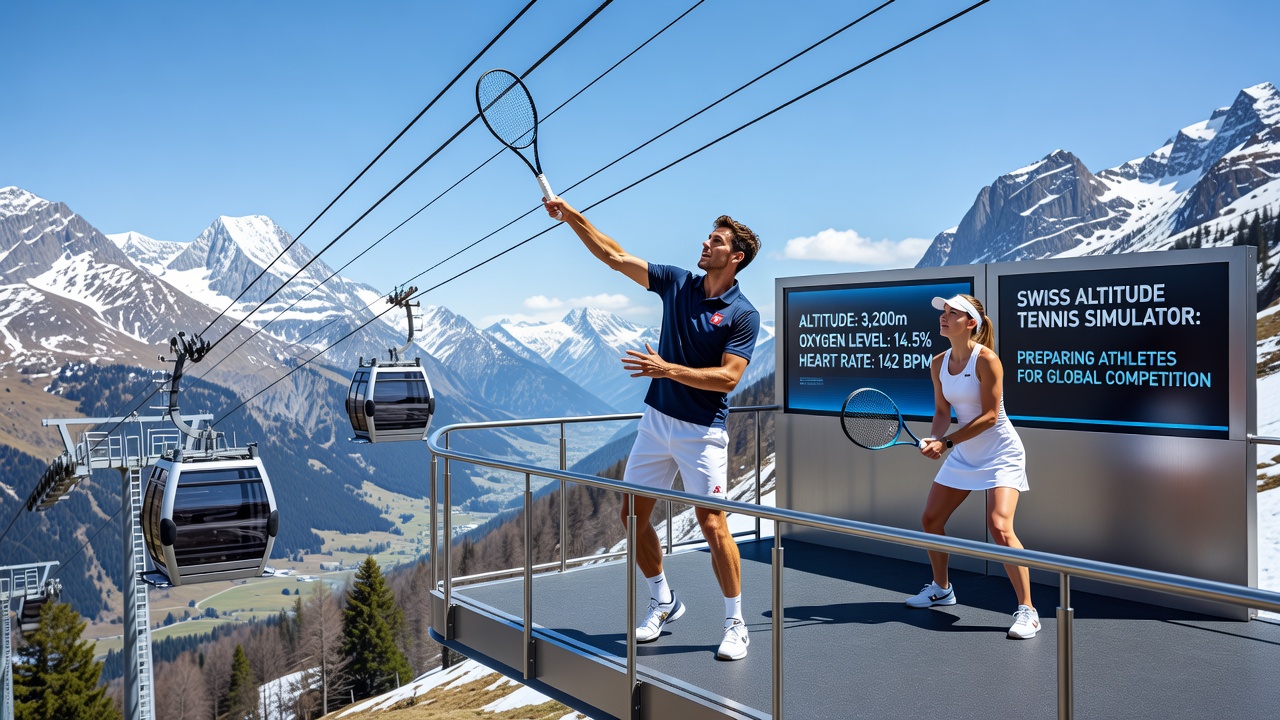
Switzerland's extensive cable car infrastructure connects valley floors to high alpine stations in a matter of minutes, and tennis players preparing for international events have started using these routes to create controlled altitude exposure without extended hikes or specialized facilities. The systems span multiple regions including the Bernese Oberland, Valais, and Graubünden, where stations sit between 1,500 and 3,000 meters above sea level, allowing athletes to move between different elevation zones during single training sessions.
Mechanics of Cable Car Altitude Sessions
Players typically board at lower terminals near training centers, ride to mid-mountain platforms for technical drills on portable courts or adapted surfaces, then continue upward for endurance intervals before descending to recover at base level. Data from the Swiss Federal Office of Sport shows that these vertical transitions expose athletes to rapid pressure changes similar to those encountered during travel to high-altitude tournament venues in South America and Central Asia. Sessions often last between 90 and 150 minutes, with heart rate monitors tracking responses across the elevation bands.
Coaches schedule these outings around regular court work, and several academies near Interlaken and Zermatt have integrated cable car access directly into weekly programs. The approach reduces the logistical demands of traditional altitude camps while still delivering measurable physiological adaptations such as increased red blood cell production and improved oxygen efficiency.
Key Networks and Training Locations
The Jungfrau Railway and the Gornergrat Bahn rank among the most frequently used lines because their intermediate stops align with existing sports infrastructure. Smaller regional operators in the Appenzell and Ticino areas also see growing demand from junior squads that combine technical practice with altitude blocks. Records maintained by Swiss tourism authorities indicate steady increases in sports group bookings on these routes since 2022, particularly during shoulder seasons when crowds remain lighter.
One academy near Grindelwald arranges twice-weekly ascents for its top prospects, alternating between morning technical work at 2,000 meters and afternoon recovery sessions back in the valley. Similar patterns appear in the Matterhorn region, where players ride the cable car system to access high-elevation meadows for movement drills before returning to lower courts for match simulation.
Physiological Effects and Performance Data
Research conducted at the University of Calgary's Human Performance Laboratory has examined repeated short-duration altitude exposures and found improvements in repeated sprint ability among racket sport athletes after four-week protocols. Swiss tennis federations have referenced these findings when designing their own schedules, noting that cable car access allows precise control over exposure time compared with static high-altitude stays. Blood oxygen saturation readings collected during rides show typical drops of 5 to 8 percent at the highest stations, prompting coaches to adjust drill intensity accordingly.
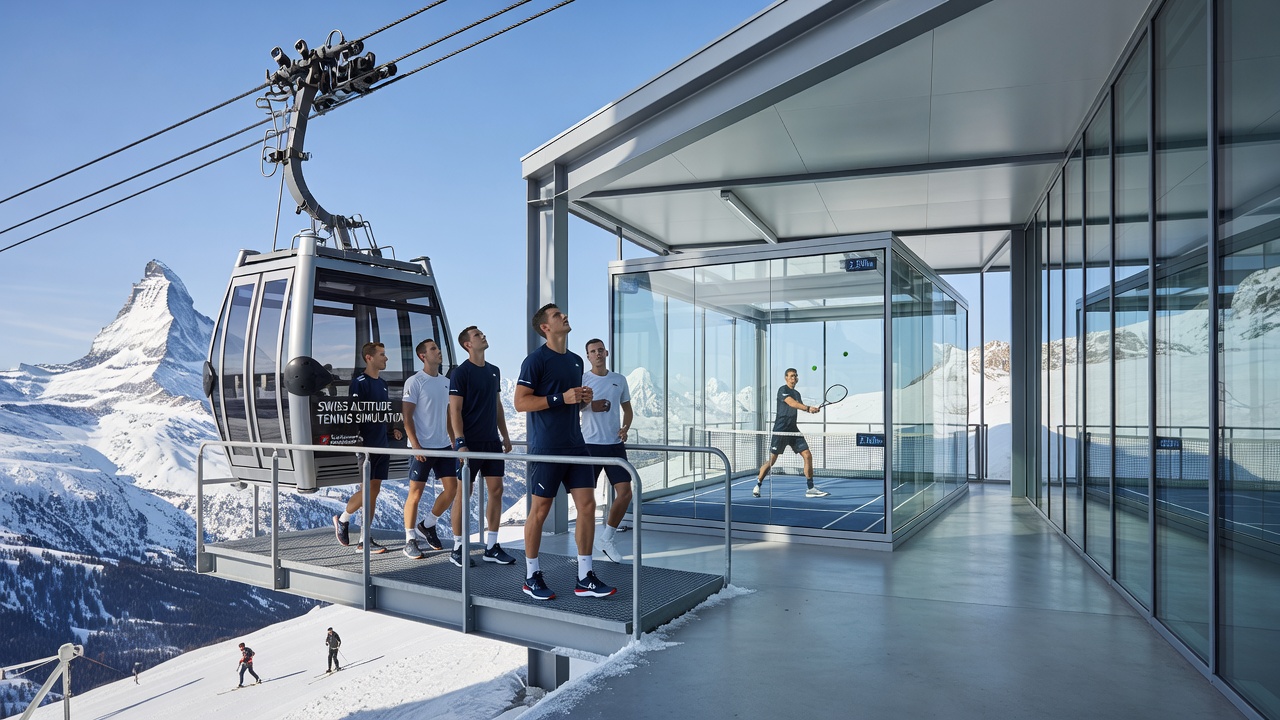
July 2026 preparations for several European and Asian swing events have already prompted additional bookings on major lines, with groups from Eastern Europe and Australia reserving blocks through national federations. The timing coincides with peak summer accessibility before seasonal maintenance closures begin in late August.
Integration With Existing Tennis Programs
National training centers now coordinate with cable car operators to secure priority boarding slots during early morning and late afternoon windows when regular tourist traffic stays lower. This coordination appears in shared calendars published by regional sports offices, allowing multiple squads to rotate through the same elevation sequence without overlap. Equipment transport remains straightforward because most stations feature enclosed cabins large enough for ball carts and portable nets.
Junior development pathways incorporate progressive altitude blocks, beginning with shorter rides at 1,800 meters before advancing to full summit sessions at 2,800 meters. Tracking apps used by several academies log cumulative elevation gain per week, and federations aggregate this information to compare training loads across different age groups.
Future Developments Through 2026
Operators have announced plans to install additional mid-station training platforms at two major lines by spring 2026, expanding options for technical work without requiring athletes to carry equipment long distances. Discussions between the Swiss Tennis Federation and cable car management focus on lighting upgrades that would permit evening sessions during shorter winter daylight periods. These upgrades would extend the training window for players preparing for indoor tournaments that follow high-altitude lead-up events.
Environmental monitoring stations already positioned along several routes provide real-time temperature, humidity, and wind data that coaches incorporate into session planning. The same data feeds into broader studies examining how variable alpine conditions interact with altitude exposure during repeated training blocks.
Conclusion
Switzerland's cable car networks continue to serve as practical tools for tennis athletes seeking structured altitude exposure ahead of international competition. The combination of rapid elevation access, existing sports infrastructure, and coordinated scheduling supports consistent training blocks that align with tournament calendars through 2026 and beyond. Data collection efforts by both sports federations and research institutions provide ongoing insight into how these vertical training routes contribute to physiological preparation across different player levels.