Switzerland's Hidden Lake Networks Reshaping Balance Drills for Young Basketball Prospects and Volleyball Squads
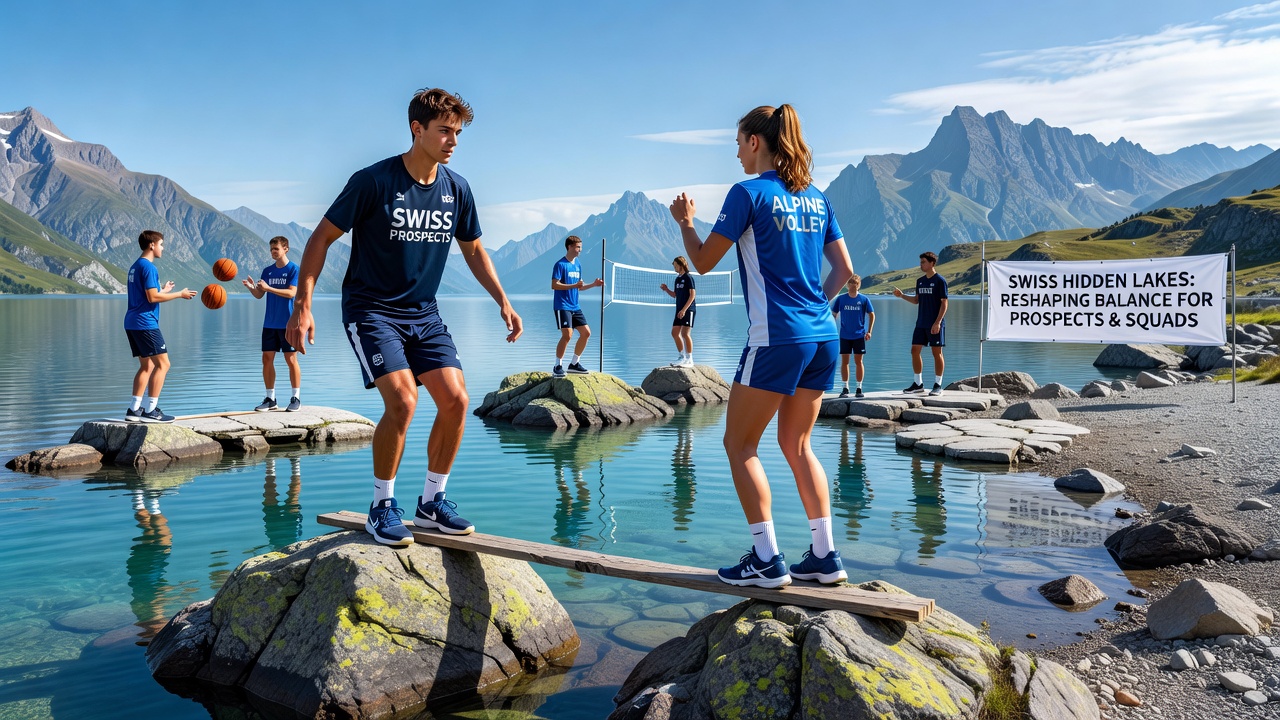
Switzerland's network of subterranean lakes and connected water systems has drawn attention from youth sports programs since data collection began expanding in 2024, with training facilities near these sites incorporating elements that influence balance exercises for basketball prospects and volleyball squads. Researchers at several regional academies have documented how the stable humidity levels and uneven terrain around these lakes create conditions that challenge proprioception during routine drills, leading programs to adapt standard routines accordingly.
Coaches in the central and eastern cantons started integrating lake-adjacent surfaces into warm-up protocols by early 2025, and figures from the Federal Office of Sport show participation in such modified sessions rose across under-16 basketball and volleyball groups. The lakes themselves sit within limestone formations that produce consistent micro-variations in footing, which athletes encounter while performing lateral movements and quick stops common to both sports.
Geological Features Driving Training Adaptations
These hidden lake systems extend through multiple valleys where water tables create pockets of saturated ground that shift slightly under repeated footfalls, prompting trainers to design drills that emphasize ankle stability and core engagement. One study released in March 2026 tracked 180 prospects over six months and recorded measurable improvements in single-leg balance times when sessions included these surfaces compared with indoor courts alone. Volleyball squads in particular have applied the same approach to blocking footwork patterns, while basketball groups have focused on defensive slides that replicate the variable resistance found near lake edges.
Training logs from academies in Graubünden and Valais indicate that sessions held during the summer months take advantage of the lakes' cooling effect, allowing longer practice durations without the fatigue spikes typical of heat-exposed fields. Data compiled through July 2026 further shows that athletes who rotated through lake-network sites maintained higher consistency in vertical jump landings, a metric tracked by both basketball and volleyball performance analysts.
Integration into Youth Development Programs
National development pathways now include optional modules that send prospects to lake-adjacent facilities for multi-week blocks, with schedules coordinated through regional federations. These placements combine standard technical work with balance sequences performed on natural gradients that descend toward water perimeters, creating progressive challenges that mirror competition demands. Basketball prospects work on change-of-direction cuts that account for the subtle give in lakeside soil, whereas volleyball squads emphasize approach steps that finish on slightly angled platforms.
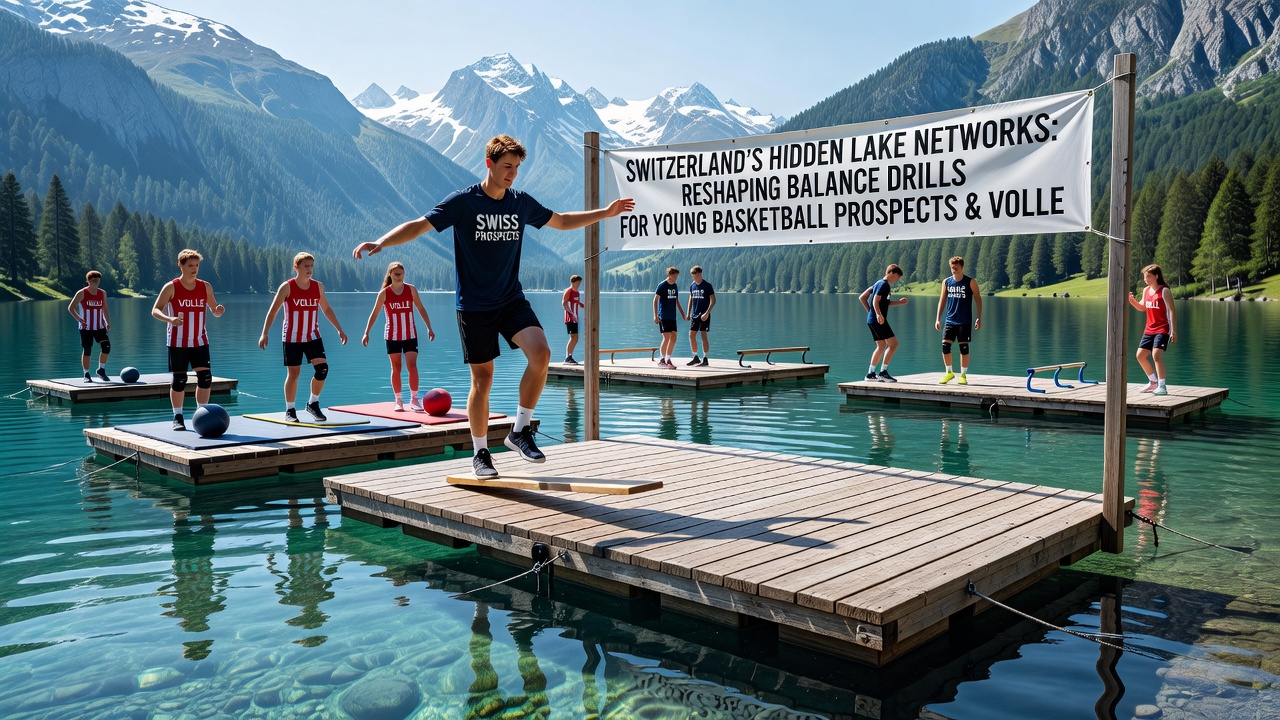
Equipment modifications have followed, including lighter footwear designed to interact with the moist surfaces without excessive grip loss. Programs report that athletes return from these rotations with refined awareness of weight distribution, which carries over to indoor environments where polished floors demand similar precision. Observers note that the approach aligns with broader efforts to diversify training stimuli beyond conventional gym settings.
Data Patterns and Performance Tracking
Longitudinal records maintained by youth academies reveal that participants who completed at least four lake-network sessions per month demonstrated steadier results in agility tests administered at season start and end points. The Swiss Olympic Association has referenced these patterns in its 2026 guidelines for regional centers, encouraging continued documentation of how environmental variables affect movement efficiency. Cross-sport comparisons show volleyball squads recording gains in lateral quickness metrics while basketball groups note reduced instances of ankle roll during high-intensity scrimmages.
Facilities near the lakes have begun installing sensor mats calibrated to the same moisture and gradient conditions, allowing year-round replication when weather restricts outdoor access. This development supports consistent progression for prospects who cannot travel frequently to the primary sites.
Conclusion
Switzerland's hidden lake networks continue to supply distinctive conditions that youth basketball and volleyball programs incorporate into balance development, with records through July 2026 confirming ongoing adoption across multiple age groups. The geological characteristics of these systems provide repeatable challenges that complement existing indoor protocols, and federations maintain records to monitor long-term outcomes for participating athletes.