Switzerland's Rail Network Coordination Supporting Athlete Travel Patterns Between Remote Training Sites for Endurance, Court, and Aquatic Disciplines
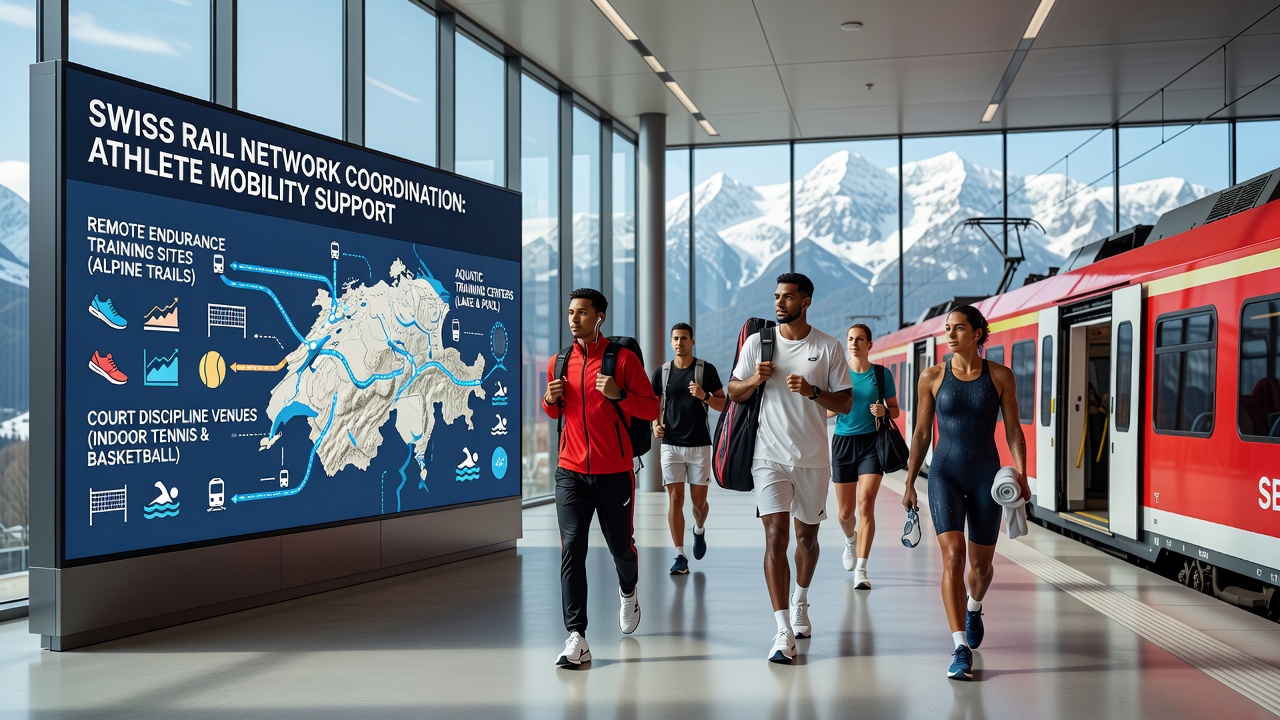
Switzerland maintains an extensive rail infrastructure that connects dispersed training locations used by athletes across endurance, court, and aquatic disciplines, with operators adjusting timetables and capacity to match seasonal movement patterns. The Swiss Federal Railways integrates these routes through centralized planning that accounts for elevation changes, transfer points, and equipment transport needs specific to each sport category.
Rail Infrastructure Supporting Varied Training Locations
Remote sites for endurance training often sit in alpine valleys and high plateaus where athletes prepare for cycling and running events, while court disciplines utilize indoor halls in midland cities and aquatic programs center on lake facilities in regions such as Lake Geneva and Lake Lucerne. Coordination occurs through shared scheduling systems that align early morning departures from mountain stations with connections at hubs like Zurich and Bern, allowing athletes to reach multiple venues within a single day. Data from transport authorities shows that intercity services maintain dedicated baggage cars on routes serving training clusters during peak preparation periods.
Travel Patterns Across Disciplines
Endurance athletes frequently move between high-altitude bases and lower valley routes for varied terrain sessions, relying on regional trains that operate at intervals synchronized with sunrise training windows. Court sport participants, including those in tennis and basketball programs, follow circuits that link smaller gymnasiums in peripheral towns to larger competition venues, with rail operators providing group booking options that accommodate equipment like rackets and portable flooring. Aquatic athletes shift between outdoor lake training and indoor pools, using lines that run parallel to shorelines and connect directly to facilities equipped for swim-specific recovery protocols. These patterns intensify ahead of major events, with July 2026 schedules already incorporating additional capacity for national team camps.
Coordination Mechanisms Between Operators and Sports Bodies
Transport planners work with national federations to forecast demand based on competition calendars and camp schedules, adjusting rolling stock allocation on lines that serve multiple disciplines. Real-time tracking systems allow adjustments for weather-related delays common in mountain corridors, while integrated ticketing platforms reduce transfer times at key junctions. One study from the European Transport Research Alliance examined similar multimodal networks and found that synchronized timetables cut average journey durations by up to 25 percent for users traveling between elevation zones and urban centers.
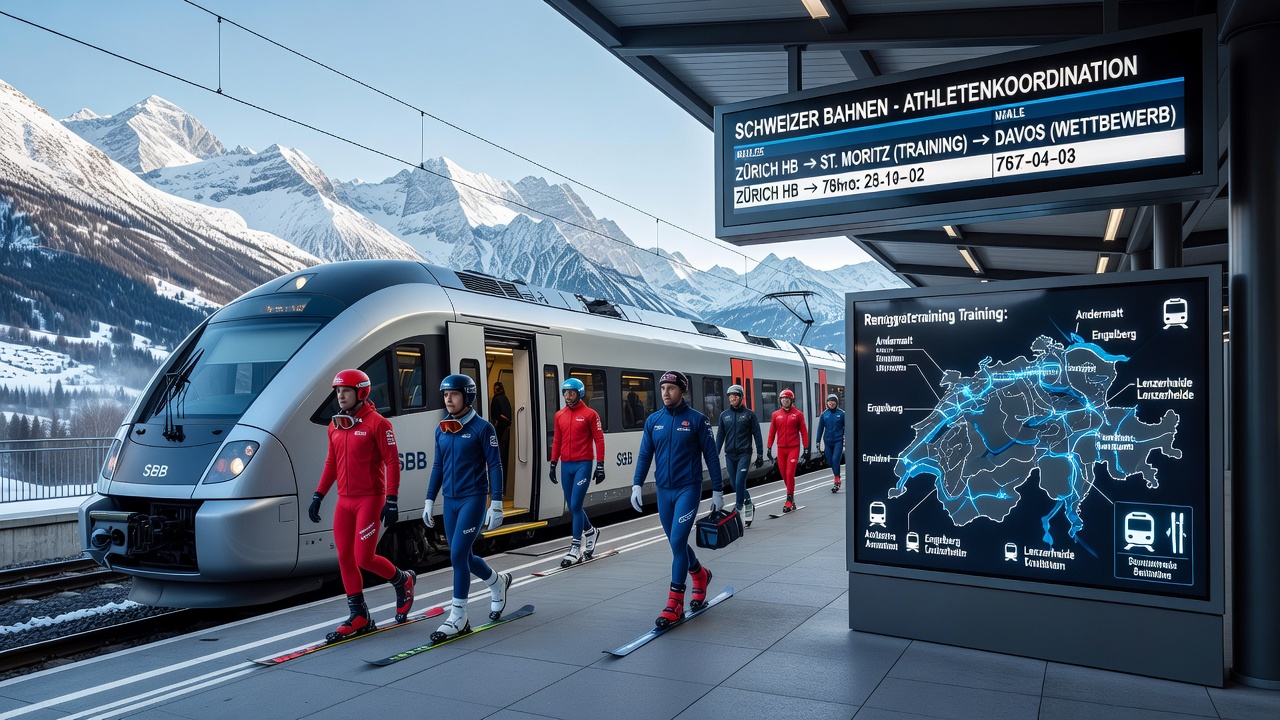
Equipment handling protocols include reserved storage on long-distance trains for bicycles, timing gates, and aquatic gear, with staff trained to manage transfers at stations that serve both endurance routes and aquatic access points. Observers note that these arrangements prevent bottlenecks during periods when multiple squads converge on shared facilities.
Seasonal Adjustments and Capacity Planning
Winter months see increased use of heated cars and snow-clearing priorities on high routes feeding endurance camps, whereas summer expansions focus on lakeside lines supporting aquatic programs. Court discipline travel remains steadier year-round yet benefits from off-peak pricing structures that federations negotiate in advance. Figures released by rail authorities indicate that athlete-related passenger volumes rise measurably in the months preceding international meets, prompting temporary additions of direct services between previously separate training clusters.
Integration With Broader Mobility Systems
Rail services interface with cable cars and lake ferries at several training hubs, creating continuous pathways from alpine endurance sites to aquatic locations without reliance on road transport. This setup supports athletes who combine disciplines, such as those moving from court sessions to water-based recovery, by maintaining consistent connection windows across operators. Research published by the International Journal of Sport Logistics analyzed comparable European networks and highlighted how unified ticketing and luggage protocols improve reliability for specialized user groups.
Conclusion
Switzerland's rail coordination framework enables consistent access to specialized training environments across endurance, court, and aquatic disciplines through timetable alignment, equipment provisions, and capacity scaling. These arrangements rely on ongoing data exchange between transport providers and sports organizations to maintain service levels that match evolving camp and competition demands, including those scheduled for July 2026. The system demonstrates measurable efficiency gains when planners incorporate discipline-specific requirements into daily operations.