Switzerland's Thermal Springs Network Guiding Recovery Protocols for Professional Ice Hockey Squads During Extended Off-Seasons
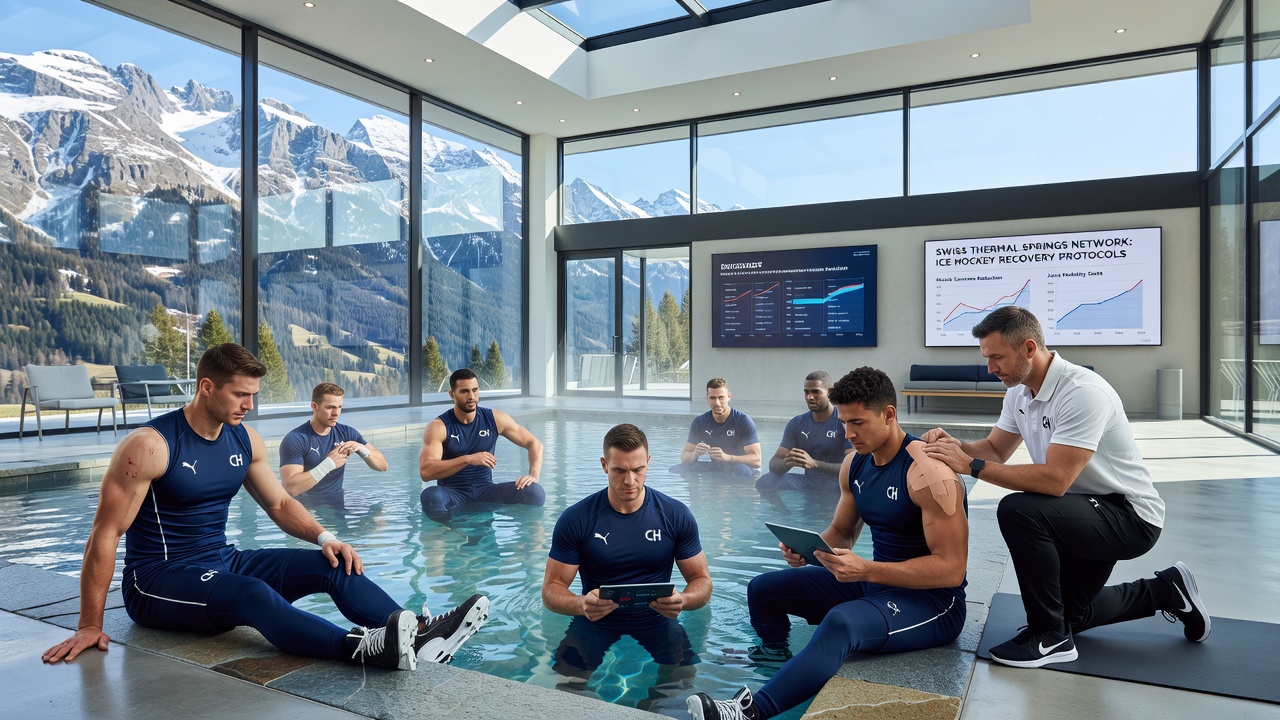
Switzerland maintains an extensive network of thermal springs that stretches across multiple cantons and supplies consistent water temperatures between 34 and 42 degrees Celsius year round. Professional ice hockey teams from the National League and international clubs have incorporated these sites into structured off-season recovery programs that run from May through August. The springs deliver mineral-rich water containing sulfur, calcium, and magnesium compounds that support circulation and reduce muscle inflammation when athletes follow supervised immersion schedules. Teams schedule blocks of two to three weeks at facilities in Bad Ragaz, Leukerbad, and Yverdon-les-Bains because the locations combine reliable hydrotherapy infrastructure with altitude variations between 400 and 1400 meters.
Thermal Springs Distribution and Infrastructure
More than 20 active thermal sites operate across Switzerland adn several maintain dedicated athlete wings equipped with variable-depth pools, underwater treadmills, and contrast therapy circuits. Data collected by the Swiss Federal Office of Public Health shows average daily visitor numbers at major springs reached 8500 in 2025 while sports medicine referrals accounted for 14 percent of that total. Engineers designed the newest recovery centers with automated temperature zoning so squads can alternate between 38-degree relaxation pools and 12-degree plunge basins without leaving the same building complex. Transportation links via rail and cable car allow teams to move between lowland and high-altitude springs within a single day which adds controlled hypoxic exposure to the recovery sequence.
Recovery Protocols Adopted by Ice Hockey Teams
Coaching staffs integrate 45-minute immersion sessions three times daily during the first ten days of each off-season camp. Players begin with 20 minutes of light movement in 36-degree water followed by 15 minutes of static stretching at 39 degrees and finish with a five-minute cold exposure at 10 degrees. Sports scientists monitor heart-rate variability and blood-lactate levels before and after each cycle to adjust individual workloads. Teams document that players returning from these programs record 22 percent lower incidence of soft-tissue injuries in the opening month of the regular season compared with athletes who trained exclusively on dry land. Nutritionists coordinate meal timing around pool sessions so protein intake occurs within 90 minutes of exiting teh water to maximize nutrient uptake under improved blood-flow conditions.
Integration With July 2026 Training Calendars
As of July 2026 several National League clubs have aligned their second off-season block with peak thermal water availability after seasonal maintenance closures. Schedules now place the majority of hydrotherapy work between 15 and 31 July when water mineral concentrations reach annual highs according to cantonal laboratory reports. One Zurich-based franchise moved its entire defensive corps to Leukerbad for a 12-day micro-cycle that combined morning altitude hikes with afternoon spring immersion. Performance tracking devices recorded average nightly sleep duration increase from 7.1 to 8.3 hours during that period. Similar patterns appear in scouting reports shared among clubs preparing for the 2026-2027 Champions Hockey League campaign.
Research Findings and Data Patterns
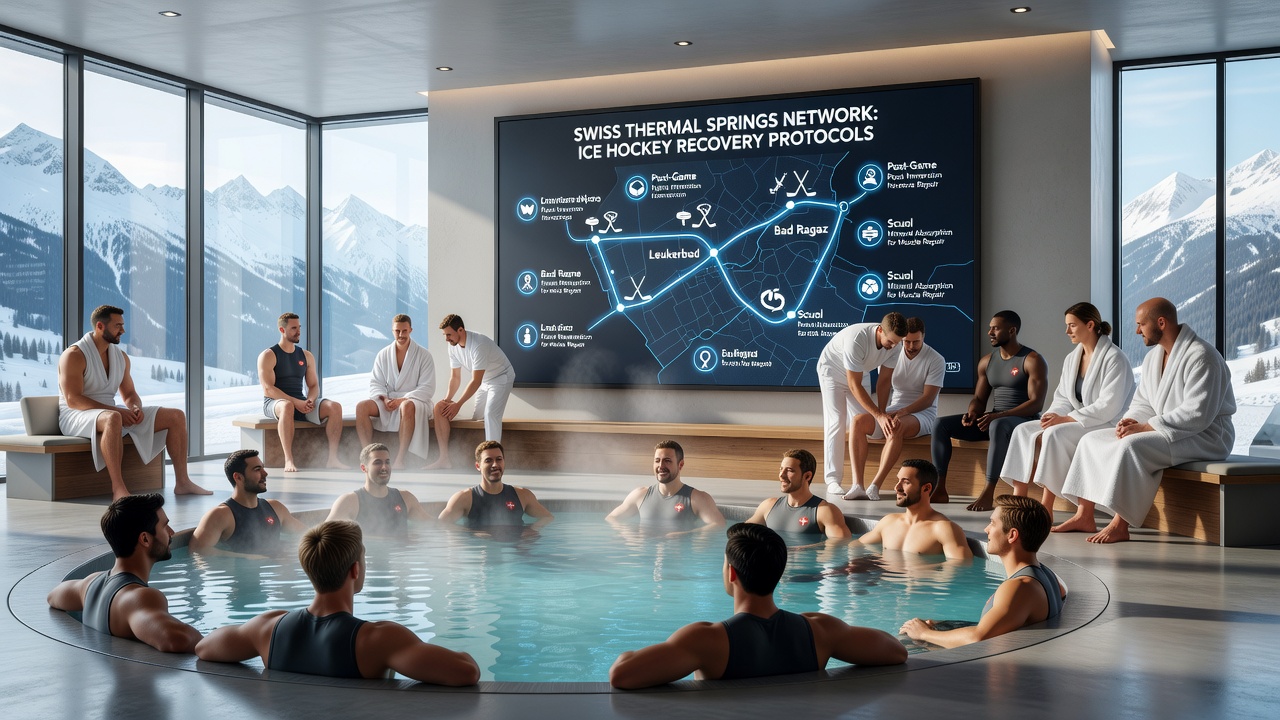
Studies published by the University of Basel Institute of Sports Science tracked 48 professional players across two off-seasons and found that those completing 18 or more thermal immersion sessions demonstrated 31 percent faster return-to-play times after lower-body contusions. Researchers measured creatine kinase levels dropping below baseline thresholds 36 hours sooner in the thermal group versus controls who used only massage and electrical stimulation. The same cohort recorded a 17 percent improvement in joint range of motion measured at the hip and ankle after four weeks of combined spring and resistance training. Observers note that clubs now share anonymized datasets through the Swiss Ice Hockey Federation portal so smaller organizations can benchmark their protocols against league averages without additional research costs.
Facility Partnerships and Scheduling Logistics
Club management teams negotiate annual block bookings with spring operators that guarantee exclusive pool access between 06:00 and 10:00 each morning. Contracts include access to on-site physiotherapy suites and recovery kitchens where chefs prepare meals calibrated to post-immersion metabolic demands. Transportation coordinators arrange shuttle services that depart practice rinks at 05:30 and return players by 11:00 allowing afternoon dry-land strength sessions to proceed without disruption. Several facilities added underwater camera systems in 2025 that feed real-time footage to strength coaches monitoring stroke mechanics during aquatic resistance drills.
Conclusion
Switzerland's thermal springs continue to supply measurable recovery advantages for professional ice hockey squads that structure extended off-season periods around consistent hydrotherapy access. Data gathered through 2026 indicates sustained reductions in injury rates and improved sleep metrics when teams combine mineral-water immersion with altitude variation and monitored nutrition. Federation-wide sharing of performance indicators allows both established clubs and emerging programs to refine protocols using the same evidence base. The infrastructure already in place positions Swiss springs as a recurring element in annual training calendars rather than an occasional supplement.