Valley Trails and Their Unexpected Influence on Swiss Ice Hockey Players' Summer Conditioning Routines
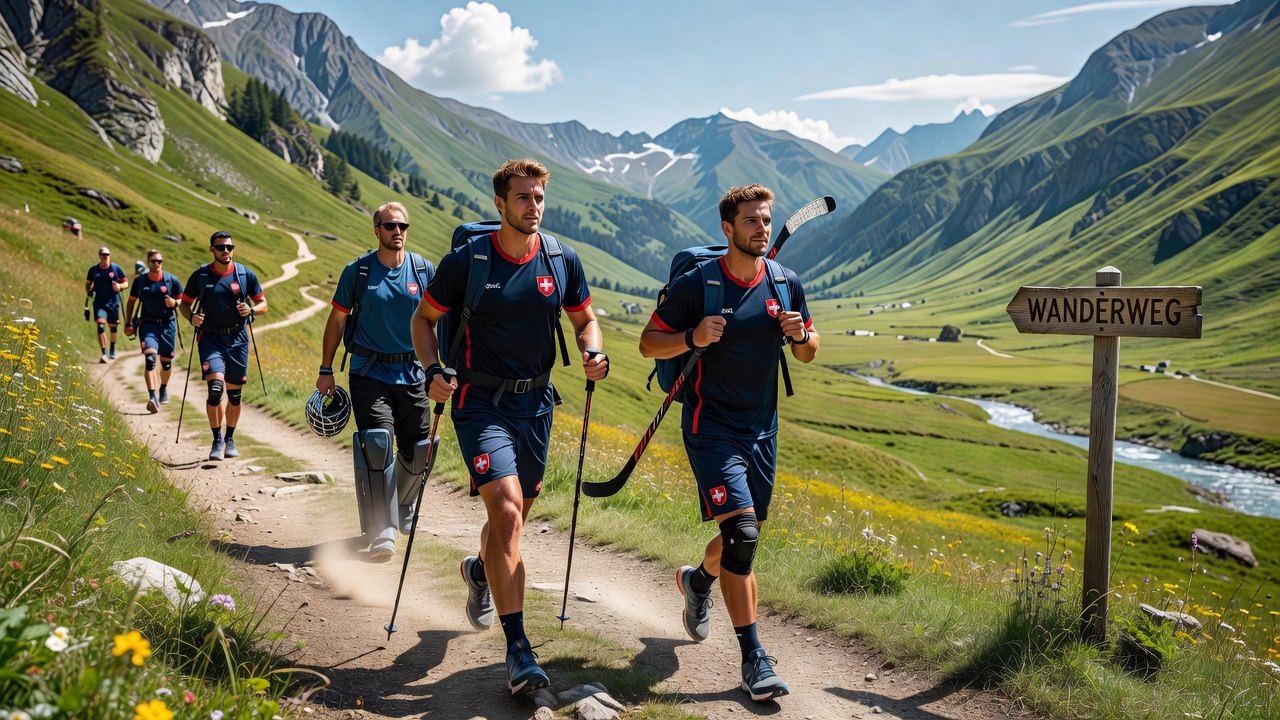
Swiss ice hockey players have turned to valley trails across regions like the Emmental and Valais for summer conditioning programs that build endurance and recovery capacity through consistent terrain variation. These paths, often situated at moderate elevations between 400 and 800 meters, allow athletes to integrate hiking intervals with strength work that translates directly to on-ice stamina during the regular season. Data from the Swiss Federal Office of Sport shows increased participation in structured trail-based sessions among National League teams since 2022, with players logging average weekly distances of 25 to 35 kilometers during off-season months.
Coaches schedule these outings to emphasize controlled pacing over mixed surfaces of packed dirt, gravel, and occasional inclines, which develop lower-body stability without the high impact associated with road running. Players from clubs such as SC Bern and EV Zug frequently combine trail segments with bodyweight circuits at designated rest points, creating sessions that last between 90 and 120 minutes. This approach supports cardiovascular thresholds while providing natural recovery windows through shaded sections and flatter valley floors.
Terrain Features Supporting Hockey-Specific Adaptations
Valley trails present consistent elevation changes that mirror the repeated acceleration and deceleration patterns seen in ice hockey shifts. Research conducted at the University of Lausanne's Institute of Sport Sciences indicates that athletes training on these routes experience measurable improvements in lactate threshold after eight weeks, with gains averaging 12 percent compared to flat-terrain protocols alone. The natural undulations force constant micro-adjustments in stride and posture that strengthen stabilizers around the hips and ankles.
June 2026 marks the start of intensified preparation cycles for several Swiss clubs ahead of international tournaments, and many have already incorporated valley trail blocks into their June calendars. Teams coordinate group hikes that cover 8 to 12 kilometers before transitioning into technical stickhandling drills on adjacent fields, blending endurance foundations with skill retention. Observers note that this timing aligns with peak trail accessibility before summer tourism peaks.
Integration With Existing Training Frameworks
Conditioning staff integrate valley trail work alongside gym-based resistance sessions and occasional cycling routes, forming a multi-modal summer plan. Players track heart-rate variability through wearable devices during these outings, allowing trainers to adjust intensity based on daily recovery metrics. Figures released by Swiss Olympic reveal that 68 percent of elite ice hockey athletes now include at least two trail sessions per week between May and August.
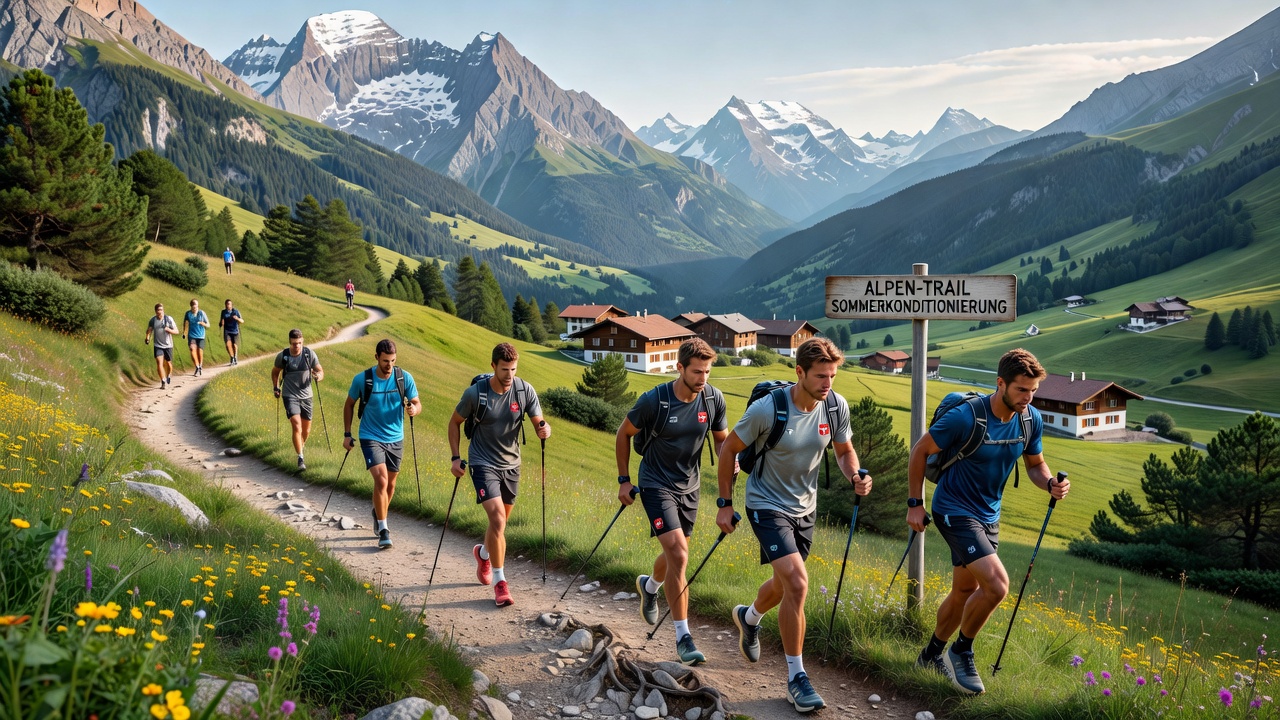
What's interesting is how these trails facilitate mental conditioning through changing scenery and solitude that differs from indoor facilities. Athletes report improved focus during subsequent on-ice practices after morning trail work, though documentation remains largely anecdotal at this stage. Clubs have begun logging subjective wellness scores alongside objective performance data to quantify any secondary benefits.
Regional Variations and Accessibility Factors
Trails in the Bernese Oberland offer longer continuous stretches compared to those near Lake Geneva, giving teams options based on training camp locations. Accessibility via public transport reduces logistical demands, and many municipalities maintain marked routes specifically promoted for athletic use. The Swiss Hiking Federation maintains updated maps that include difficulty ratings and surface composition, helping staff select appropriate segments for different player profiles.
Case examples include forward lines from Genève-Servette incorporating shorter valley loops near their training base, while defensemen from HC Lugano favor routes with more sustained climbs to target power endurance. These choices reflect positional demands documented in league performance analytics.
Conclusion
Valley trails have become a documented component of summer conditioning for Swiss ice hockey players through their combination of accessible terrain, measurable physiological benefits, and logistical practicality. Continued monitoring by sports science teams will clarify long-term impacts as programs evolve into 2026 and beyond. The approach demonstrates how regional geography integrates with high-performance requirements without requiring specialized equipment or facilities.