When Ice Meets Grass: Swiss Ice Hockey Players Adapting Alpine Endurance Methods for Football Pitch Success
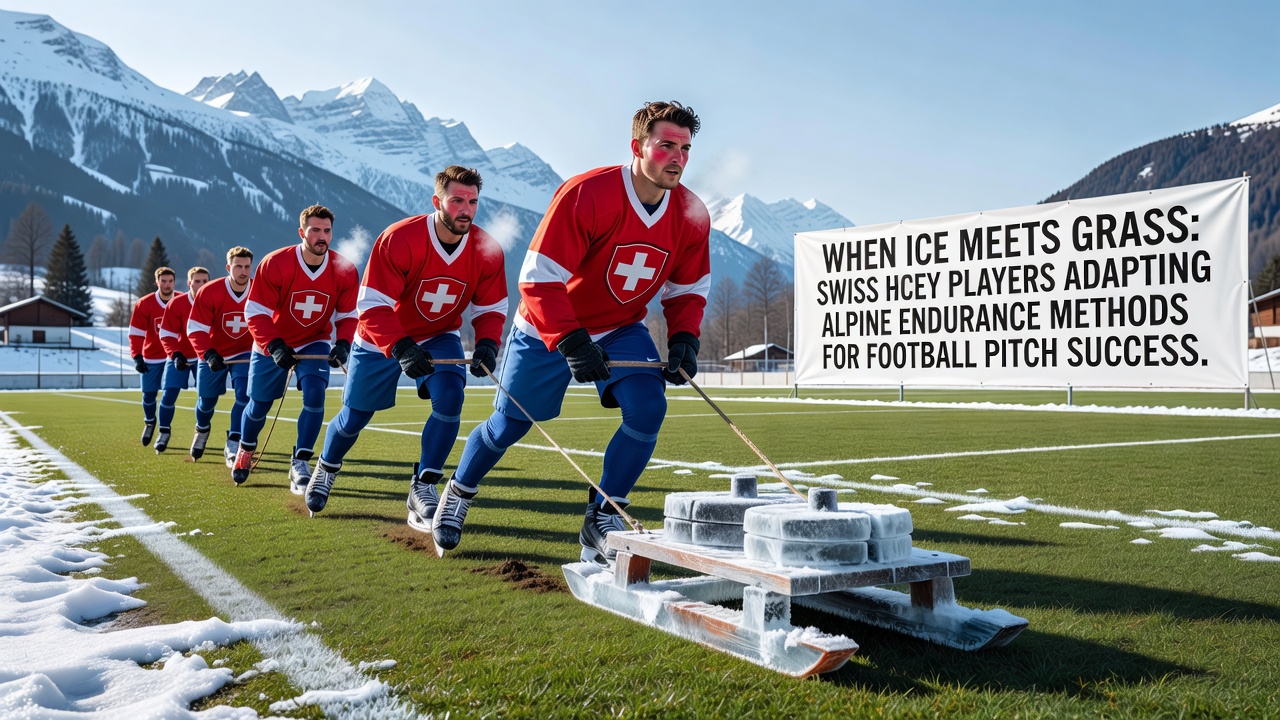
Swiss ice hockey has roots in mountain communities where winter conditions shape training routines and summer activities fill the off-season gaps, while football continues to draw athletes seeking ways to extend physical limits on grass surfaces, and data from national sports programs shows increasing crossover between these disciplines as players apply high-altitude conditioning to pitch demands.
Alpine endurance methods developed in the Swiss Alps emphasize repeated elevation changes, sustained efforts at reduced oxygen levels, and varied terrain that builds aerobic capacity alongside muscular resilience, and researchers at institutions like the University of Bern have documented how these approaches improve oxygen utilization and recovery times in winter sport athletes who later transfer skills to other fields.
Core Elements of Alpine Training Protocols
Training sessions often begin at elevations between 1,500 and 2,500 meters where athletes complete intervals of uphill running mixed with technical drills, and these routines incorporate recovery walks on descending paths that stress different muscle groups while maintaining heart rate zones documented in physiological studies, yet the same principles adapt directly when athletes shift focus to flat pitches by simulating similar intensity through interval sets and resistance work.
Equipment remains minimal with emphasis on bodyweight movements and natural surfaces, although some programs integrate portable monitors to track lactate thresholds, and figures from Swiss Olympic Association reports indicate that athletes following structured alpine blocks show measurable gains in VO2 max within eight to twelve weeks compared to standard gym-based conditioning alone.
Application to Football Pitch Requirements
Football matches require repeated high-intensity bursts separated by brief recoveries, and endurance built through alpine methods supports sustained performance across ninety minutes plus extra time, while ice hockey players accustomed to shift work on skates find the constant movement patterns transferable once they adjust footwork and balance for cleats instead of blades.
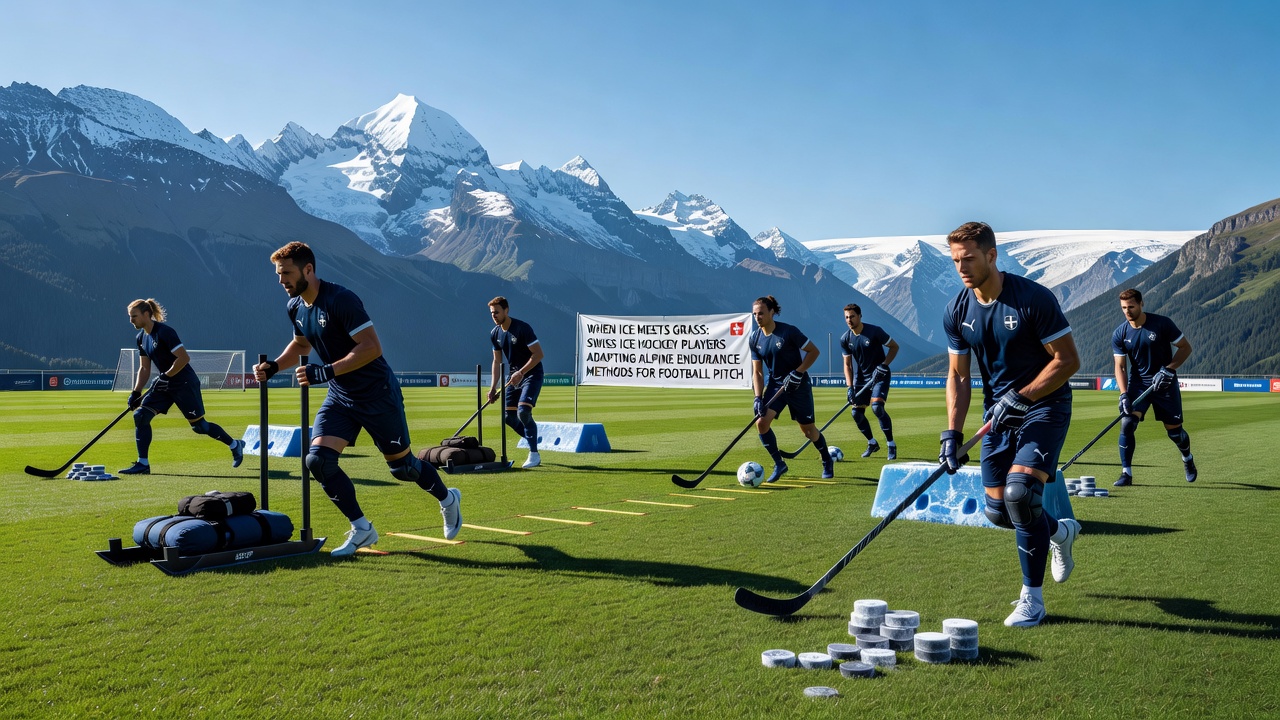
Coaches combine mountain runs with small-sided games on artificial turf to bridge the gap, and this integration helps players maintain ball control under fatigue, according to training logs shared by clubs in the Swiss Super League that have incorporated elements from winter sport academies.
Player Pathways and Team Integration
Young athletes from regions like Graubünden or Valais often start in local ice hockey clubs before exploring football during summer months, and several have progressed into professional football academies after demonstrating superior stamina traced back to alpine conditioning, while established hockey professionals use off-season football participation to stay sharp without the full contact of their primary sport.
One documented program at HC Davos pairs players with football fitness specialists who modify alpine sessions for pitch use, and similar exchanges occur at clubs like FC Basel where staff reference high-altitude protocols when planning pre-season camps, yet results vary depending on individual adaptation rates and prior exposure to elevation changes.
Physiological Data and Research Findings
Studies conducted at high-altitude labs in the Bernese Oberland reveal that repeated exposure to these conditions enhances mitochondrial efficiency and capillary density, and these adaptations carry over when athletes return to lower elevations for football training, although monitoring remains essential to avoid overreaching during the transition phase.
Comparative data collected by the Swiss Federal Institute of Sport Magglingen shows athletes using combined protocols achieve faster recovery between repeated sprints, and this advantage appears most pronounced in midfield roles that demand continuous coverage of the pitch, while defensive and attacking positions benefit through improved late-game decision making under physical stress.
Preparations Around Major Events in 2026
As Switzerland prepares for the FIFA World Cup in June 2026, national team staff have incorporated alpine endurance blocks into summer training calendars to build resilience ahead of group stage matches that may extend into extra time or penalties, and several ice hockey veterans now serving as conditioning consultants contribute protocols refined through years on the ice.
Qualifying campaigns and domestic league schedules align with these windows, allowing players to rotate between sports without calendar conflicts, and performance metrics gathered during test matches indicate that those with prior alpine exposure maintain higher work rates in the final twenty minutes compared to peers relying solely on traditional pitch drills.
Conclusion
Cross-pollination between Swiss ice hockey and football continues through shared use of alpine endurance techniques that emphasize elevation, varied terrain, and controlled intensity, and ongoing research alongside practical application in club settings supports measurable improvements in stamina and recovery for athletes moving between surfaces, while preparations for the 2026 tournament highlight the practical value of these methods in competitive contexts.